Brand Spotlight
Tesla in the Philippines: Models, Prices and Where to Charge (2026)
By EVChargePH Team · July 7, 2026 · 10 min read
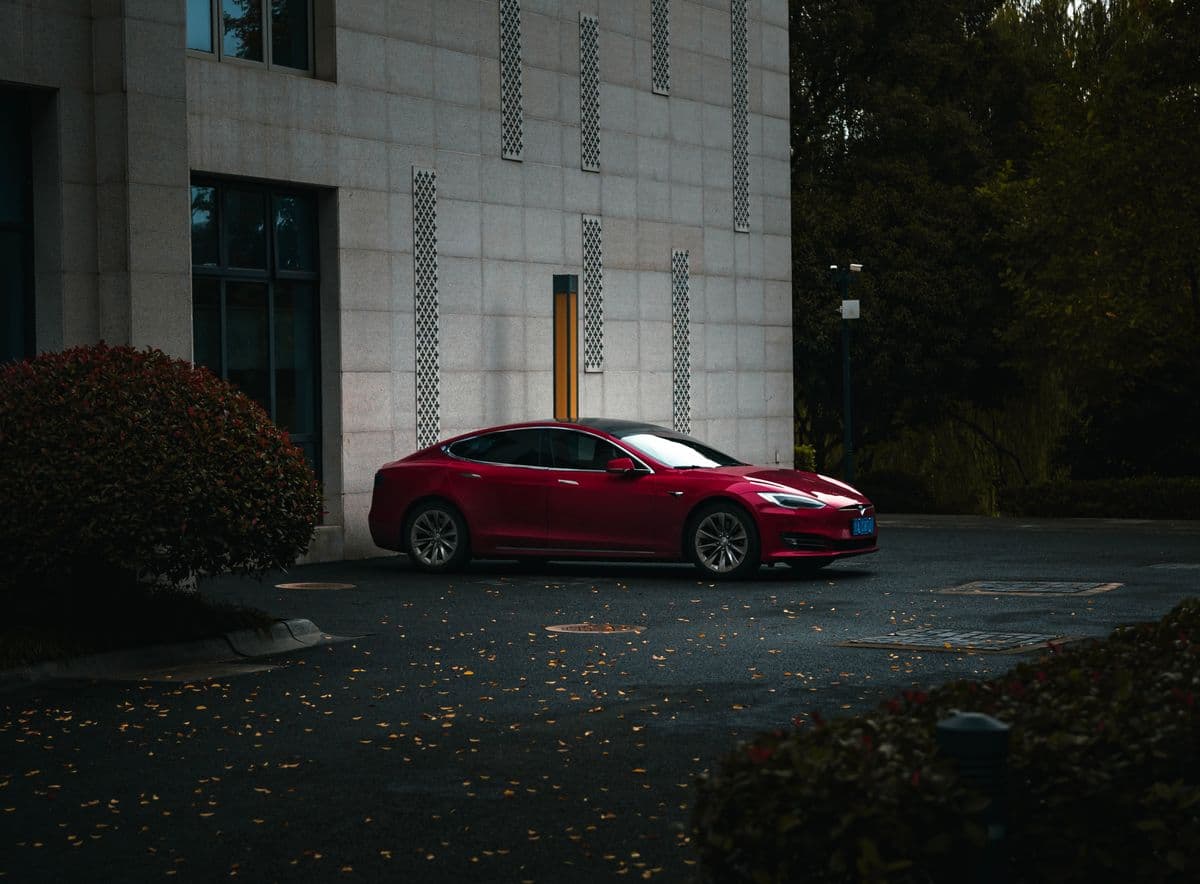
Tesla is one of the most searched EV names in the Philippines, even though the company keeps only a light official footprint here — most Teslas on local roads still arrive through independent importers rather than a full dealer-and-service network. The two models you will actually see are the Model 3 sedan and the Model Y crossover, with indicative 2026 prices landing roughly in the ₱2.4M to ₱4M band depending on the importer, the variant, and how the unit is specified. Both charge on the same Type 2 (AC) and CCS2 (DC) standards used across the rest of the Philippine network, so a Tesla plugs into the same public chargers as a BYD or a Hyundai. Here is what a Tesla in the Philippines actually costs, how it charges, and whether it makes sense in local conditions.
Is Tesla officially available in the Philippines?
Sort of, and this is the first thing worth understanding before you trust any Tesla price Philippines listing online. Tesla has never operated the kind of full dealership network here that BYD, MG, or Hyundai run, so for years the only way to get one was through independent or grey-market importers who source cars from other markets and bring them in. That situation has slowly warmed, with more organised importers and better parts access than the early days, but it is still a long way from walking into an official Tesla showroom the way you might abroad.
The practical effect is that buying a Tesla here is different from buying most other EVs. You are usually dealing with a third-party importer rather than a manufacturer-backed dealer, which affects warranty, servicing, and how quickly you can get parts. None of that makes a Tesla a bad car — they remain among the most refined EVs you can drive — but it does mean you should do more homework on the seller than you would with a locally distributed brand. Our broader EV catalog shows how many officially distributed alternatives now exist, which is useful context before committing to the import route.
For most buyers the honest takeaway is that a Tesla in the Philippines is an enthusiast's choice: hugely desirable, technically excellent, but bought through a less conventional channel than a mainstream EV. If that trade-off appeals, the rest comes down to which model, what it costs, and how you will charge it.
Which Tesla models are sold in the Philippines?
The realistic shortlist is short, and it centres on the two cars Tesla sells in the biggest numbers worldwide. The Model 3 and Model Y are by far the most common Teslas you will find offered by Philippine importers, simply because they are the volume models with the widest supply.
- The Tesla Model 3 is the compact executive sedan — sleek, quick, and the more affordable of the two. It is a natural rival to cars like the BYD Seal, and we cover it on the Model 3 model page and in our Tesla Model 3 Philippines guide.
- The Tesla Model Y is the crossover version built on the same platform — taller, more practical, with a bigger boot and more back-seat space. It is the better pick for families, and our Tesla Model Y Philippines guide walks through the details.
Older or pricier models such as the Model S and Model X do occasionally appear through importers, but they are rare, expensive, and harder to service, so most buyers sensibly stick to the Model 3 and Model Y. Between those two, the choice is the usual sedan-versus-crossover decision: the Model 3 is a touch sharper to drive and cheaper, while the Model Y trades a little of that for space and everyday practicality. If you are cross-shopping, our roundup of the best electric cars in the Philippines places both in the context of their locally distributed rivals.
How much does a Tesla cost in the Philippines?
This is the question behind every Tesla price Philippines search, and the honest answer is that it varies more than for a normally distributed car. Because Teslas come in through importers rather than a fixed local price list, the figure you pay depends on the source market, the variant, the specification, and the importer's own margin. Treat every number here as indicative for 2026 rather than a quoted price.
As a rough guide:
- A Tesla Model 3 typically lands somewhere around ₱2.4M to ₱3.4M depending on whether it is a standard-range or a higher Long Range or Performance variant.
- A Tesla Model Y usually sits a little higher, roughly ₱2.8M to ₱4M, again depending on the variant and specification.
Those bands overlap heavily with premium locally distributed EVs, which is exactly why the comparison matters. For similar money you could buy an officially distributed car with a local warranty and service network, so a Tesla's price has to be weighed against the convenience you give up. It is also worth remembering that import-related duties and the EVIDA incentives that have trimmed EV costs can shift the maths over time, so confirm the current landed price and any applicable perks with the importer directly. The upside is a strong brand cachet and a genuinely excellent driving experience that many buyers feel justifies the premium.
How do you charge a Tesla in the Philippines?
Here is the reassuring part: charging a Tesla in the Philippines is essentially the same as charging any other modern EV. Teslas sold into this region use the Type 2 connector for AC charging and CCS2 for DC fast charging — the exact standards that dominate the local network — so there is no special adapter hassle for everyday charging. Our explainer on EV charging connectors covers how these plugs work if you want the full picture.
In practice a Tesla charges three ways, just like its rivals:
- At home, on a Type 2 wall-box installed on a dedicated circuit, refilling overnight for the cheapest charging there is. Our home charging setup guide walks through the install.
- At destinations, on the AC chargers now common at malls, offices, and hotels where you park anyway.
- On trips, at public CCS2 DC fast chargers that can take the battery from low to around 80 percent in well under an hour.
You can see what is available and plan around it using the charger map and the charging directory, and the brand-specific Tesla charging page collects the details for owners. City pages like Makati, Cebu City, and Davao City show local coverage. The bottom line is that Tesla ownership does not lock you out of the Philippine network — it uses the same plugs as everyone else.
Are there Tesla Superchargers in the Philippines?
This is where Tesla ownership here differs most from abroad, so it deserves a straight answer: as of 2026 the Philippines does not have the dense official Tesla Supercharger network that Tesla drivers enjoy in North America, Europe, or much of the rest of Asia. The Supercharger rollout has not reached the local market in a meaningful way, which is one trade-off of Tesla's limited official presence here.
The good news is that it barely matters, because Teslas here use CCS2. That means a Philippine Tesla can fast-charge on the same public DC network as every other EV — the third-party fast chargers along expressways, at fuel stations, and at major destinations — rather than depending on Tesla's own stations. In a market without Superchargers, a car that speaks the universal CCS2 language is actually an advantage, since your charging options are the whole national network rather than a single brand's footprint. Our guide to charging on Philippine expressways explains how to plan a long drive around those clustered DC stops.
So while you should not buy a Tesla in the Philippines expecting the Supercharger experience, you also should not worry about being stranded. You charge exactly where a BYD, Hyundai, or MG driver charges, and peer-to-peer hosts add even more coverage — you can find a charger nearby and reserve it in advance.
What does a Tesla cost to run in the Philippines?
Once you look past the purchase price, a Tesla is cheap to run for the same reasons any EV is. Charging at home on a typical Meralco residential rate of roughly 11 to 13 pesos per kWh works out to around 1.5 to 3 pesos per kilometre, often less than half what an equivalent petrol car costs at the pump. Add the simpler maintenance of an electric drivetrain — no oil changes, fewer moving parts, less brake wear thanks to regenerative braking — and the running costs are genuinely low.
The one caveat specific to imported Teslas is servicing and parts. Because you are usually outside an official dealer network, out-of-warranty repairs can be slower and pricier to arrange than for a locally distributed EV, so factor that into the total ownership picture rather than just the charging cost. Our guide to the five-year cost of EV ownership frames how these pieces add up, and the EV savings calculator lets you compare a Tesla's running costs against your current petrol car using your own mileage.
For a buyer who drives enough to benefit and can charge conveniently at home, the running-cost case is strong. The Tesla premium sits mostly in the purchase and the import channel, not in the day-to-day cost of keeping it moving.
Is a Tesla worth it in the Philippines?
For the right buyer, yes — but go in clear-eyed. A Tesla in the Philippines is a desirable, superbly engineered EV that charges on the standard Type 2 and CCS2 plugs and costs little to run, so the day-to-day driving and ownership experience is excellent. What you trade for that is the convenience of official distribution: you buy through an importer, there is no local Supercharger network, and warranty and servicing take more effort to arrange than with a locally backed brand.
If those trade-offs sit fine with you and the badge matters, a Tesla is a rewarding choice. If you would rather have a local warranty, an official service network, and a comparable driving experience for similar money, the best electric cars in the Philippines roundup and the full EV catalog are full of officially distributed alternatives worth cross-shopping first. Either way, the charging side is a solved problem — browse the charging network and you will see a Tesla fits right in.
Frequently asked questions
How much does a Tesla cost in the Philippines?
Indicative 2026 prices are roughly ₱2.4M to ₱3.4M for a Model 3 and ₱2.8M to ₱4M for a Model Y, depending on the variant, specification, and importer. Because Teslas come in through independent importers rather than an official price list, the figure varies more than for a locally distributed EV, so always confirm the current landed price directly with the seller.
Can you charge a Tesla at normal EV chargers in the Philippines?
Yes. Teslas sold into this region use the Type 2 connector for AC charging and CCS2 for DC fast charging — the same standards that dominate the Philippine network. That means a Tesla plugs into the same home wall-boxes, destination chargers, and public fast chargers as any other EV, with no special adapter needed for everyday charging.
Are there Tesla Superchargers in the Philippines?
As of 2026, no — the Philippines does not have the official Tesla Supercharger network found in many other countries. It matters little in practice, because local Teslas use CCS2 and can fast-charge on the same public DC network as every other EV, so your charging options are the whole national network rather than a single brand's stations.
Is it better to buy a Tesla or a locally distributed EV?
It depends on your priorities. A Tesla offers a superb drive and strong brand appeal but comes through an importer with no local Supercharger network and more effort around warranty and service. For similar money, officially distributed EVs give you a local warranty and service network. Cross-shop both — our best electric cars roundup is a good place to start.
Be our partner
Power the Philippines' electric future with us
Earn from an idle charger, or put your brand in front of EV drivers while they charge. Join the EVChargePH network today.