Brand Spotlight
Tesla Model Y: The Family-Friendly Electric SUV
By EVChargePH Team · June 2, 2026 · 9 min read
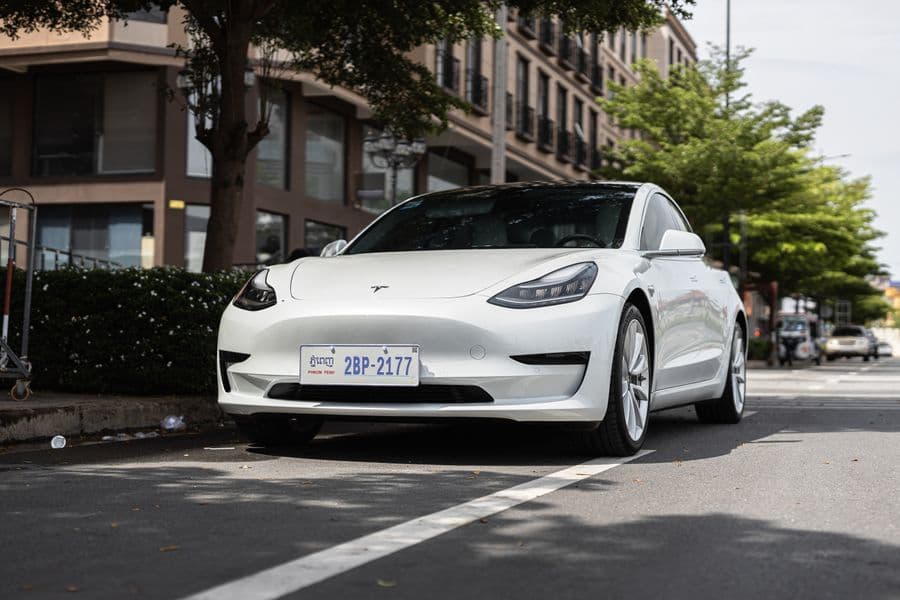
If the Model 3 is Tesla's sedan for the everyday driver, the Tesla Model Y is its answer for growing families. It shares much of the same engineering but wraps it in a taller, more practical crossover body. In a country where SUVs and crossovers dominate the wish list, the Model Y arrives speaking a language local buyers already understand: more headroom, a higher seating position, and a bigger boot. For households ready to go electric without downsizing their practicality, it is one of the most natural choices on the market, and it has quickly become one of the more visible EVs on Philippine roads.
A Crossover Built on a Proven Base
The Model Y did not appear in isolation. It was developed to share a large share of its parts and engineering with the sedan covered in our Tesla Model 3 spotlight, which is exactly why it feels so polished from launch. Tesla effectively took a well-understood platform and stretched it upward into the body style most buyers actually want, rather than starting from a blank sheet. That is a sensible recipe, and it shows in how resolved the car feels even to first-time owners.
That shared DNA has real benefits. The drivetrain, software, and charging behaviour are mature and familiar, so the Model Y inherits the refinement of a car that has already been through years of iteration. Fewer surprises in the early ownership period is a genuine advantage, especially for buyers who would rather not be guinea pigs. The flip side of building on a sedan platform is that the Model Y drives more like a tall hatchback than a traditional ladder-frame SUV, which most buyers will see as a positive: it is car-like, composed, and easy to place on the road rather than ponderous.
More Room Where It Counts
The Model Y's main appeal over the sedan is space. The raised roofline frees up rear headroom, the elevated ride height makes getting in and out easier, and the cargo area is genuinely useful for grocery runs, weekend trips, and the gear that comes with family life. Folding the rear seats opens up a large, flat load space that swallows luggage, sports equipment, or the inevitable clutter of a family weekend away. Some versions have been offered with extra seating, so it is worth asking a dealer about current configurations.
What families tend to notice first includes:
- A larger, more flexible cargo area than a typical sedan, often with under-floor storage
- An easy step-in height that suits both children and older passengers
- A wide, airy cabin helped by the panoramic glass roof
- The same quiet, smooth drive the Tesla badge is known for
- A commanding view of the road that many SUV buyers specifically want
If a third row is on your must-have list, it is worth comparing the Model Y against the dedicated options in our roundup of 7-seater SUV EVs in the Philippines, since seating layouts and space efficiency vary widely. For broader family suitability, our guide to the best EVs for families weighs comfort and space across several rivals, which helps put the Model Y in context rather than judging it in isolation.
Technology Carried Over
Step inside and the Model Y feels familiar to anyone who has seen a recent Tesla. A single central touchscreen handles most controls, software updates can roll out over the air, and driver-assistance features are part of the package. The minimalist approach divides opinion, so if you prefer physical buttons, spend real time with the interface before committing rather than assuming you will adapt.
For family duty, the technology has practical upsides beyond novelty. The large screen makes navigation and trip planning straightforward, the over-the-air updates mean the car you buy can quietly improve over the years you own it, and rear passengers benefit from the same calm, quiet cabin. Parents often appreciate that the car can be pre-cooled from a phone before everyone piles in, which in the Philippine heat is more than a gimmick. It is a package that tends to grow on owners rather than wear thin, precisely because it keeps getting small refinements over time.
Charging Around the Philippines
As with any EV, ownership revolves around charging. Home charging overnight is the most convenient option for those who can install a wall unit, and our home EV charging setup guide explains how to get that right, from the wall box itself to the wiring behind it. Public fast chargers then handle longer journeys, and you can find a charger along your usual routes to gauge coverage before you buy rather than after.
Charging infrastructure in Metro Manila and other major centres keeps expanding, but coverage on provincial routes is still uneven as of 2026, so plan longer trips carefully. Understanding the trade-offs between fast and slow charging helps you decide when to use which, especially on a road trip with a full car when you want to minimise time standing around. Slow charging is the gentle, everyday method you use at home, while fast charging is the quick roadside top-up that gets you moving again on a long drive. A heavier, fully loaded SUV draws more energy than a light sedan, so factoring a sensible charging stop into a long drive simply becomes part of the plan, much as a fuel and rest stop already is, and many families find the enforced pause to stretch and eat is no bad thing on a long journey with children aboard.
Real-world range depends on load, terrain, traffic, and aircon use. A fully loaded family SUV climbing to a cool mountain town will not match the same car cruising light on flat roads, so treat any quoted range as a ceiling rather than a promise; our explainer on WLTP versus real-world range covers why the brochure figure and your dashboard rarely agree.
Running Costs for a Family
A bigger, heavier vehicle uses more energy than a compact car, but the Model Y still benefits from the lower running costs that define EVs. For a family that drives a lot, those savings can be substantial over the years and help offset the higher purchase price. Key points to weigh include:
- Energy use that rises with passengers, cargo, and aircon, but stays cheaper per kilometre than petrol for most owners
- Reduced routine maintenance thanks to fewer moving parts
- A one-time home charger installation cost
- Insurance and service that vary by location
- Lower exposure to fuel-price swings that hit petrol SUVs hardest
For families running the numbers in detail, it is worth laying out what to expect across a typical year, including the parts that are easy to forget such as the one-time installation and the occasional public charging session. The realistic picture is that the Model Y can be cheaper to run than a comparable petrol SUV, but the size of that gap depends heavily on how much you drive and where you charge.
It also helps to think about how a family actually uses a second-row-heavy car. School runs, weekend trips to relatives, the grocery haul, and the occasional drive to a cooler province all place different demands on range and space. The Model Y handles the everyday cases comfortably, and the longer trips become a matter of planning rather than worry once you know where you can reliably recharge. Owners who map their regular destinations against available charging tend to settle into the car quickly, while those who skip that step are the ones most likely to feel the occasional pinch on an unplanned long drive. A little preparation up front turns the Model Y from a leap of faith into a predictable, low-stress family vehicle.
A Side Benefit Worth Knowing
If your household has off-street parking, the same wall box that charges your Model Y could earn its keep. You can list your charger for other EV drivers to book during the day while your car is out, turning a one-time installation into something that pays you back over time. As family EVs like the Model Y multiply, that demand is only set to rise, and well-placed home chargers are exactly what other drivers go looking for.
Pros and Cons
- Pros — generous family space, an easy step-in height, a refined and quiet drive, mature software, and lower running costs than an equivalent petrol SUV
- Cons — a button-free cabin that not everyone loves, range that drops noticeably when fully loaded, and provincial charging that still requires planning
Verdict
The Model Y tends to suit buyers who need family-sized space but still want an EV, can charge reliably at home or work, and want Tesla's refinement in a more practical body style. Pricing shifts with trim, taxes, and promotions, so any figure you see should be treated as indicative and checked against current dealer listings.
For families ready to make the switch, the Model Y is one of the more compelling electric crossovers available, blending everyday usability with the polish that built Tesla's reputation. As always, a proper test drive and an honest look at your charging situation are the best ways to decide whether it fits the rhythm of your family's week, rather than just the image on a brochure.
Be our partner
Power the Philippines' electric future with us
Earn from an idle charger, or put your brand in front of EV drivers while they charge. Join the EVChargePH network today.