Brand Spotlight
Tesla Model 3 in the Philippines: What to Know
By EVChargePH Team · June 4, 2026 · 9 min read
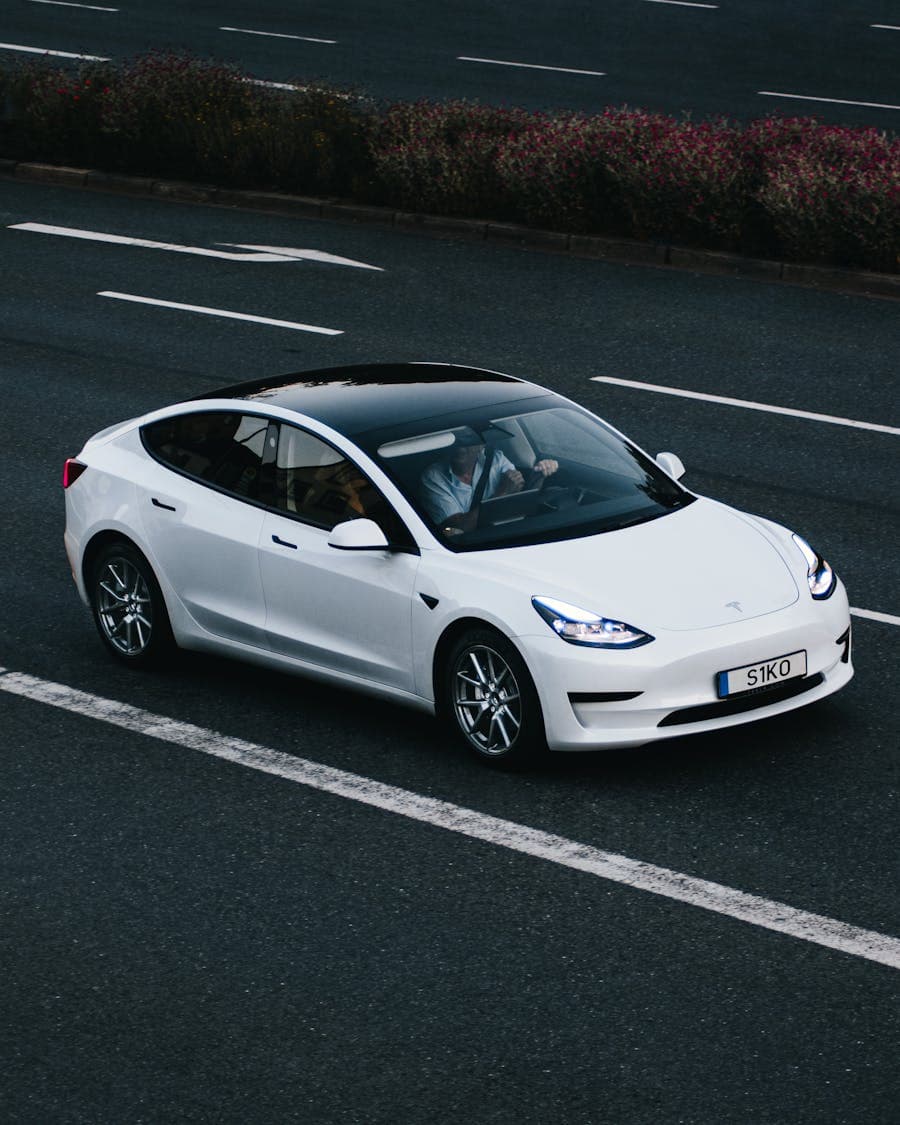
The Tesla Model 3 is, for many Filipinos, the car that made electric vehicles feel mainstream rather than experimental. As a compact executive sedan, it sits in a segment local buyers already know well, but it swaps the usual engine for a quiet, instant-torque electric drivetrain. With Tesla operating more openly across the region as of 2026, the Model 3 has moved from a rare grey-import curiosity to something you can realistically research, test drive, and buy through more established channels. If you are weighing your first EV, it is one of the most natural places to begin the conversation, and it remains a useful yardstick for measuring the many rivals that have arrived since.
How the Model 3 Became a Landmark Car
To understand why the Model 3 matters, it helps to look at where it sat in Tesla's story. The brand's earlier cars were expensive, low-volume statements aimed at proving that electric performance was possible at all. They turned heads and won fans, but they were never going to put EVs in ordinary driveways. The Model 3 was the deliberate pivot toward volume: a smaller, more affordable sedan meant to bring the technology to a much wider audience. It worked, and around the world the Model 3 became one of the best-selling electric cars of its era, the model that pulled EVs out of the early-adopter niche and into everyday life.
That history is relevant to Philippine buyers for a simple reason. A car produced in large numbers over several years tends to have a deep pool of real-world experience behind it, mature software, and a community of owners who have already documented the quirks. You are not buying an unproven prototype; you are buying into a platform that millions of drivers have lived with daily, in climates and traffic conditions as varied as anywhere on earth. That track record does not guarantee perfection, but it does mean most of the surprises have already been found, written up, and discussed. For anyone still cautious about the broader shift toward electric motoring in the country, that maturity is genuinely reassuring, because it means the Model 3 is no longer breaking new ground but building on a foundation that has already been thoroughly tested.
A Familiar Shape, A Different Experience
On paper the Model 3 looks like any other mid-size sedan, but the driving experience is what sets it apart. Power delivery is smooth and immediate, there is no gear-shift hesitation, and cabin noise stays low even at highway speed. The low-mounted battery gives the car a planted, stable feel through corners that many drivers coming from a conventional sedan notice straight away. There is also a calmness to it in traffic; without an idling engine, crawling through Manila gridlock feels markedly less stressful than in a petrol car, and you arrive a little less frazzled at the other end.
Inside, Tesla strips away most physical buttons in favour of a large central touchscreen that controls nearly everything, from climate to navigation. Some drivers love the minimalism and the clean, uncluttered look it creates; others miss having tactile knobs they can find without looking down. Key things that tend to win people over include:
- Instant acceleration that feels effortless in city traffic and on on-ramps
- A clean, uncluttered cabin centred on one large display
- Over-the-air updates that can add features and refinements after purchase
- Strong regenerative braking that enables relaxed one-pedal driving
- A quiet, refined ride that takes the strain out of long commutes
It is genuinely worth sitting in one, and ideally driving it, before deciding. The interface divides opinion more than almost any other aspect of the car, and the only way to know which camp you fall into is to spend real time with it rather than reading about it. Many owners who were sceptical at first report that the layout becomes second nature within a week or two.
Charging and Daily Use in the Philippines
For most owners, the real shift is rethinking how you refuel. Instead of weekly trips to the petrol station, you plug in at home overnight when possible, then top up at public chargers for longer trips. The convenience of waking up to a full battery every morning is something owners consistently single out as the part they did not expect to value so much. If you have never set up a wall box, our guide to a home EV charging setup in the Philippines walks through what is involved, and it is the single biggest factor in whether ownership feels effortless or frustrating.
Metro Manila and major hubs like Cebu and Davao continue to add fast-charging points, though coverage outside cities is still developing. Anyone considering a Model 3 should map out their typical routes and confirm that charging is convenient, both for everyday use and the occasional long drive. You can find a charger near your usual destinations to get a realistic sense of coverage before committing, which is far more useful than assuming the situation from a glance at a map. It also helps to understand the difference between public and home charging early, so you build the right habits from day one and avoid relying on busy public stations for routine top-ups when an overnight charge at home would do the job more cheaply.
Range varies by variant and driving conditions, and heat, traffic, and aircon use all affect how far you actually go. Treat any headline range figure as a best-case estimate rather than a guarantee; the gap between the brochure and reality is explored in our piece on WLTP versus real-world range. For day-to-day planning, the practical takeaway is simple: the Model 3 has more than enough range for typical city and intercity use, and only long, fully loaded provincial trips require careful thought about where and when to recharge.
Cost and Ownership Considerations
Electric cars shift much of the cost from fuel to electricity, which is often cheaper per kilometre, and they have fewer moving parts than combustion engines, which can mean less routine maintenance. There is no oil to change, no timing belt, and far less to wear out in the drivetrain, which over years of ownership can add up to meaningful savings. Several recurring costs are still worth budgeting for, including:
- Electricity, which depends on your provider's rate and how much you charge at home
- A home charger installation, a one-time cost that varies with your wiring
- Insurance, which can differ from an equivalent petrol car
- Service support availability in your specific area
- The occasional public fast-charging session, which costs more per unit than home charging
To put the running costs in perspective, it is worth reading the broader breakdown in our cost of EV ownership in the Philippines guide before you decide. Pricing for the Model 3 itself moves with import duties, trim, and promotions, so treat any number you see online as indicative only and confirm with current dealer listings. The honest position is that an EV can save money over time, but the upfront cost and your charging situation determine how quickly those savings arrive.
How It Compares and Who It Suits
The Model 3 no longer has the segment to itself. Buyers cross-shopping it often look at sportier sedans from other brands, and our head-to-head on Tesla versus BYD is a useful starting point for understanding the trade-offs in technology, design, and value. Within Tesla's own range, the obvious alternative is the taller, roomier crossover covered in our Tesla Model Y spotlight, which suits families needing more space at the cost of a little efficiency.
It is worth being honest about what the Model 3 is and is not. It is a refined, technology-led sedan, not a rugged people-mover. Families who need three rows or maximum cargo space may be better served elsewhere, while solo commuters and couples often find it close to ideal. Matching the car to your actual life, rather than to its reputation, is the surest path to satisfaction. Think about how many people you carry, how far you drive, and where you will plug in, and the answer usually becomes clear.
An Opportunity Beyond Driving
One angle that new EV buyers sometimes overlook is that charging infrastructure is something individuals and businesses can participate in, not just consume. If you have a suitable parking space or run a venue, you can list your charger and let other drivers book it, turning idle hardware into a small income stream rather than a cost that only sits there. As more Model 3s and similar cars hit the road, the demand for convenient, well-located charging keeps climbing, and the owners who set themselves up early tend to benefit most.
Pros and Cons
No car is perfect, and being honest about the compromises helps set expectations:
- Pros — a refined and quiet drive, strong technology, mature software, a large global owner base, and lower running costs than petrol
- Cons — a polarising button-free interior, range that depends heavily on conditions, and charging convenience that varies sharply by where you live
Verdict
The Model 3 makes the most sense for buyers who have reliable access to home or workplace charging, mostly drive within well-served urban and intercity routes, and value technology and refinement over a traditional dashboard. If that describes you, it remains one of the most polished ways to go electric in the Philippine market today, and the familiarity of the sedan shape makes the transition feel less like a leap than many expect.
As with any EV, the smartest move is a thorough test drive paired with an honest look at the charging options near where you live and work. Get those two things right and the Model 3 rewards you with a calm, capable daily driver that quietly makes the case for the whole category, day after day, with very little drama. It is not the only good EV on sale anymore, but it is still the one that set the standard others are measured against.
Be our partner
Power the Philippines' electric future with us
Earn from an idle charger, or put your brand in front of EV drivers while they charge. Join the EVChargePH network today.