PH EV Scene
EV Communities and Clubs in the Philippines
By EVChargePH Team · February 28, 2026 · 9 min read
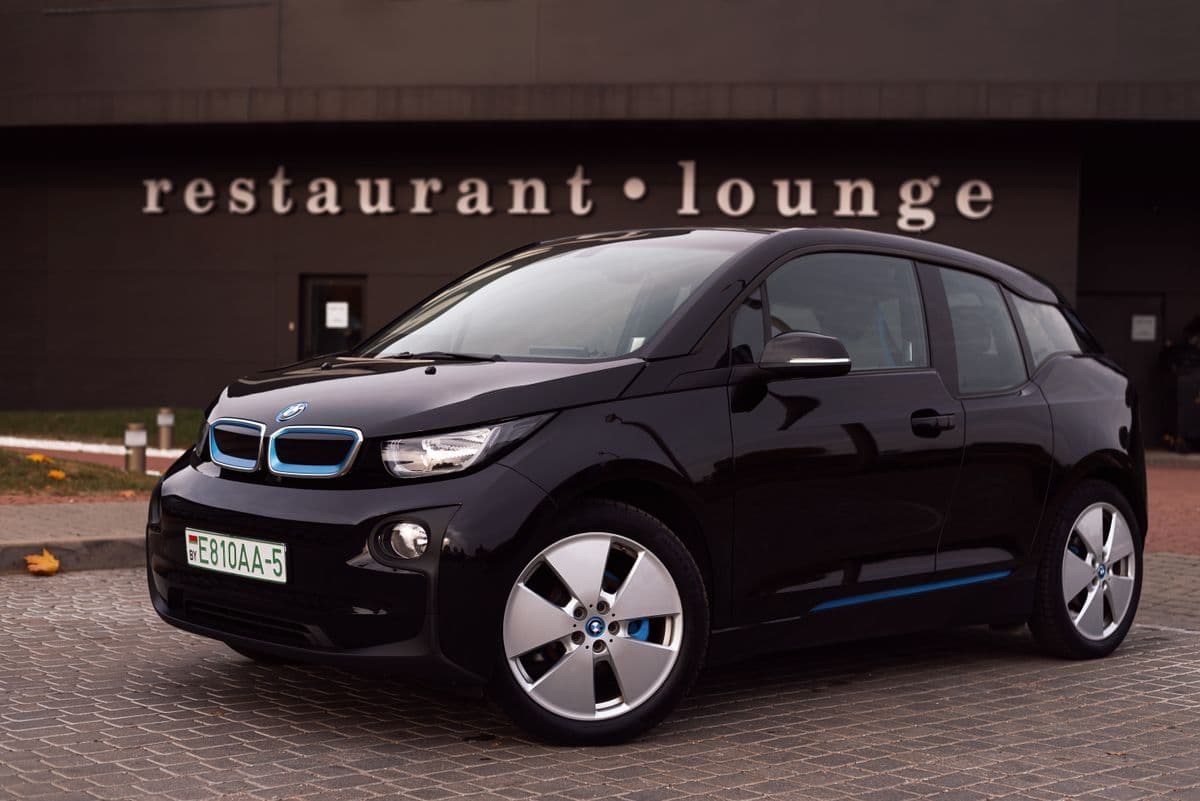
One of the quietly powerful forces behind the Philippine EV movement is not a company, a government program, or a piece of policy at all. It is community. From bustling online groups to local meetups and organized clubs, EV owners across the country have built networks where they share hard-won knowledge, swap practical tips, and welcome newcomers who are still finding their feet. As of 2026, these communities have become central to how Filipinos adopt, understand, and genuinely enjoy electric vehicles, and they deserve recognition as real infrastructure in their own right, every bit as important as the chargers themselves.
Why communities matter for EVs
Switching to an EV involves a learning curve that no single test drive fully prepares you for. Charging habits, range planning, the quirks of different models, and the everyday rhythms of ownership are all things you pick up over time through accumulated experience. Communities dramatically shorten that curve by letting owners learn directly from one another, rather than figuring everything out alone through slow and occasionally stressful trial and error on their own.
The value shows up in concrete, practical ways that you feel almost immediately.
- Real-world advice on range, charging routines, and exactly what to expect on specific routes that other members have actually driven themselves.
- Troubleshooting help when something is confusing or behaving oddly, offered freely by a fellow owner who has already been through the same thing.
- Honest model reviews grounded in daily ownership rather than glossy marketing copy or a brief, flattering showroom impression.
- Trip planning support, where members share where they found charging on a recent journey and what they would do differently next time around.
That last point connects directly to planning a real adventure of your own. Our Manila to Baguio road trip guide reflects exactly the kind of pooled wisdom these communities generate every day, distilled down into a practical, repeatable route plan anyone can follow.
Where these communities live
EV communities in the Philippines take many different forms, and most owners end up belonging to several of them at once without really planning to. Large online groups on social media and messaging platforms are often the very first place a new owner turns, posting a question and getting thoughtful, detailed answers within hours, sometimes within minutes. These spaces tend to be welcoming and remarkably generous with help, perhaps because nearly everyone there remembers being the confused newcomer not so long ago themselves.
Beyond the screen, local clubs and meetups bring owners together in person, which adds a dimension online groups cannot. These gatherings range from casual coffee meets to organized convoy drives and structured information sessions for the curious. They are a genuine chance to see different models up close, compare notes on the realities of ownership, and build real friendships around a shared interest in the technology. There is also something quietly reassuring about meeting people who have lived with an EV for years and emerged perfectly happy and unbothered.
There are also communities organized around specific niches, whether a particular vehicle type, electric motorcycles, or owners within a given city or region who share the same local conditions. This variety means almost any EV owner can find a group that genuinely fits their situation, which helps enormously when advice needs to be specific rather than general. Someone weighing a second-hand EV purchase, for instance, will get far more useful guidance from current owners of that exact model, who know its real-world quirks and battery behavior, than any general source could ever provide on its own.
The newcomer advantage
For someone considering their very first EV, communities are genuinely invaluable in a way that is hard to overstate. The hesitations that hold people back, the nagging worries about charging, cost, and long-term reliability, are exactly the things experienced owners can speak to honestly and from real lived experience. A prospective buyer can ask whether an EV suits their particular commute, how charging actually fits into daily life with kids and work, and what ownership really costs once everything is accounted for, then weigh genuine answers rather than a polished sales pitch designed to close a deal.
This peer reassurance does something that marketing fundamentally cannot, no matter how big the budget behind it. It builds real trust. When you hear from actual people living with EVs every day, hearing the small annoyances candidly alongside the genuine joys, the technology stops feeling experimental and risky and starts feeling normal and entirely achievable. Many of the fears that come up turn out to be overstated once examined, which is why our EV myths debunked piece echoes so much of what experienced owners patiently tell newcomers in these groups. For those still choosing a model, the community's collective taste often surfaces in roundups like our guide to the best EVs for city driving in Manila.
Communities and the charging ecosystem
These networks also quietly reinforce the broader charging ecosystem in ways that benefit absolutely everyone, members and non-members alike. Members share where they found charging on recent trips, flag helpful or unreliable locations before others get caught out, and discuss the steady growth of peer-to-peer options where owners host idle chargers for others to use. That collective knowledge makes the whole network far more usable in practice, because information flows freely and quickly between the very people who depend on it most.
This is also where community and marketplace overlap naturally and productively. A member who learns that they can list their charger to earn from idle equipment often spreads the word enthusiastically to others in the group, and drivers routinely use the map to find a charger that a fellow member personally recommended and vouched for. Communities effectively become a living layer of guidance sitting on top of the formal network, and they help newcomers understand how EVChargePH works through real stories and personal experience rather than abstract explanation alone.
What communities do for the wider scene
The value of these groups reaches well beyond their own members. When a community grows, it produces a steady stream of confident, well-informed owners who then influence everyone around them, the colleague asking about their car in the parking lot, the relative wondering whether an EV would suit the family. In this way communities act as an informal engine of adoption, multiplying the effect of every satisfied owner.
They also serve as an early-warning and feedback system for the whole ecosystem. Members surface problems quickly, whether a charger that is frequently out of service or a stretch of road with a coverage gap, and that shared awareness helps everyone plan better. The same channels celebrate what works, steering newcomers toward reliable options and good hosts. Over time this collective intelligence raises the standard for everyone, because reputation travels fast in a tight community and both the helpful and the unhelpful get noticed.
Perhaps most importantly, communities keep the human element front and center in what could otherwise feel like a purely technical shift. They remind people that going electric is not just about specifications and charging curves but about a group of neighbors figuring something out together and bringing others along for the ride. That warmth is a real part of why the transition has gathered the momentum it has, and it is something no advertising budget can manufacture.
How to get involved
If you are an owner or even just a prospective one, joining in is easy and genuinely worthwhile from day one.
- Start online, where the largest groups offer fast answers and a low-pressure way to ask absolutely anything without judgment.
- Attend a local meetup when you can, to see different models in person and meet the people behind the usernames face to face.
- Find a niche group that matches your specific vehicle, city, or interests for more targeted and relevant advice.
- Share what you learn as you go, since today's grateful newcomer becomes tomorrow's trusted voice for the next wave of curious buyers.
The lesson is clear and a little heartening in the end. The Philippine EV transition is not only about cars, chargers, and policy on paper. It is fundamentally about people helping people through a change that can feel daunting alone. If you are an EV owner already, or even just thinking seriously about becoming one, joining a community, whether a busy online group or a friendly local club, is one of the most rewarding steps you can take. The knowledge, support, and genuine camaraderie waiting there make the entire journey to electric far smoother, and they are a big part of why the movement, as described in our look at the EV revolution in the Philippines, keeps gathering pace year after year. The cars and chargers are the visible part of the story, but the people quietly helping one another behind the scenes are what give it lasting momentum, and joining them costs nothing but a willingness to ask and to share.
Be our partner
Power the Philippines' electric future with us
Earn from an idle charger, or put your brand in front of EV drivers while they charge. Join the EVChargePH network today.