Cost & Ownership
Solar + EV Charging in the Philippines: Charge Your Car From the Sun
By EVChargePH Team · June 1, 2026 · 11 min read
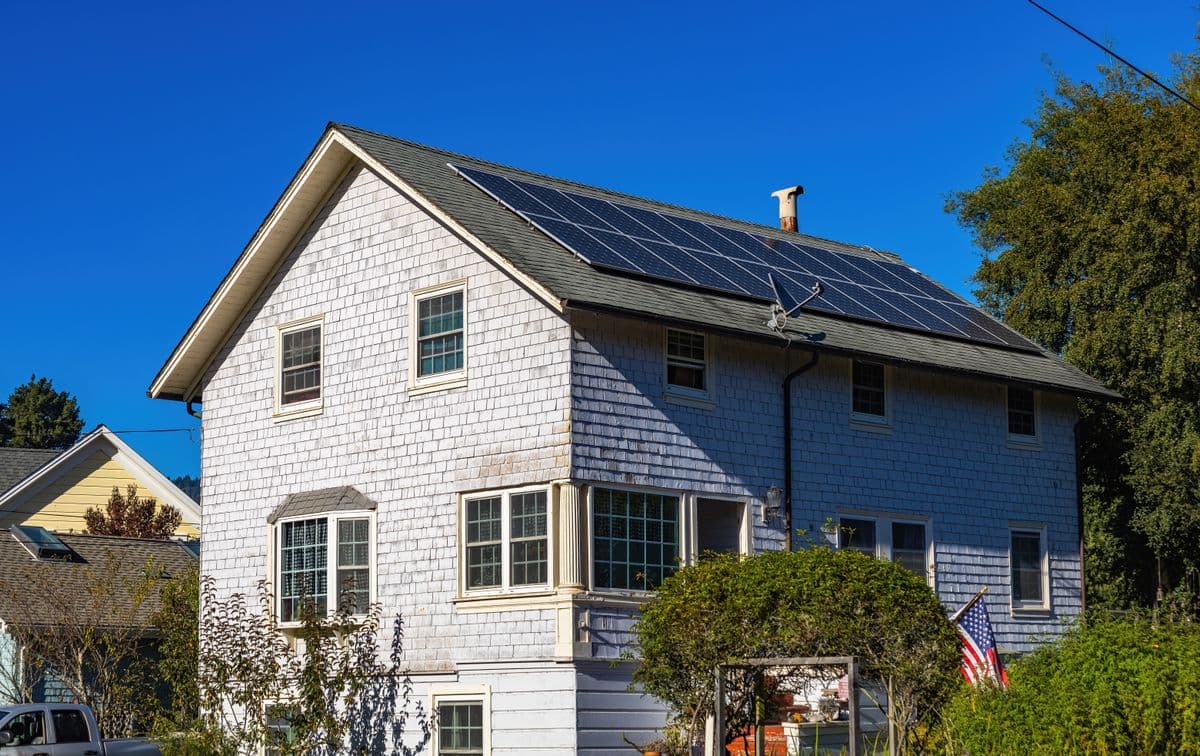
Solar plus EV charging in the Philippines is a genuinely appealing combination in 2026, because the country's abundant sunshine can power much of your driving for close to nothing once the panels are paid off. Pair a rooftop solar system with home EV charging and, on sunny days, you effectively fuel your car from the roof rather than the grid. Net metering lets you offset grid electricity with what you export, improving the payback. The catch is the upfront cost and realistic sizing, so this works best for households that own their roof and drive enough to benefit. Here is the honest math.
Does solar + EV charging make sense in the Philippines?
For the right household, yes, and the Philippines is unusually well suited to it thanks to strong, consistent sunlight across much of the year. The basic appeal is elegant: a rooftop solar system generates electricity during the day, and an EV stores energy in a large battery, so combining them lets you drive on sunshine. Once the panels are paid off, the marginal cost of the solar electricity you use to charge is effectively near zero, which is about as cheap as driving gets.
The synergy is real but it comes with conditions. Solar generates most during daylight hours, while many people charge their EV overnight, so the two do not automatically line up without either daytime charging or a mechanism like net metering to bridge the gap. The system also requires a meaningful upfront investment and a suitable roof, which is why solar plus EV makes most sense for homeowners who plan to stay put, drive enough to use the energy, and can fund the installation. For those who fit, it is one of the most satisfying ways to slash running costs.
It is worth being clear-eyed rather than starry-eyed about this. Solar plus EV is not free energy from day one; it is a substantial upfront investment that pays back over years through avoided electricity costs. Whether it pencils out depends on your roof, your electricity usage, your driving, and the system size, all of which we walk through below. Our guide to EV charging costs sets the baseline grid-charging cost that solar competes against, and the EV savings calculator helps frame the broader running-cost picture.
How does the solar + EV math work?
The financial logic of solar plus EV charging rests on a simple comparison: the cost of electricity from your panels versus the cost of electricity from the grid. On a typical Meralco residential rate of roughly 11 to 13 pesos per kWh, every kilowatt-hour you instead draw from your own solar panels saves you that amount. Multiply those savings across the energy your EV consumes over years of driving, and the numbers add up faster than many expect.
The math works in layers:
- Solar offsets your home electricity first, covering household loads during the day, and any surplus can charge the car or be exported.
- EV charging on solar replaces grid kilowatt-hours that would otherwise cost 11 to 13 pesos each, so the more of your charging that runs on sunshine, the bigger the saving.
- Net metering lets daytime surplus offset grid energy you use at other times, which matters because EVs often charge overnight when the sun is down.
The key insight is that an EV gives a solar system a large, flexible load to soak up energy that might otherwise be exported for less value. A home without an EV can only use so much daytime solar; add an EV and suddenly you have a battery on wheels that can absorb surplus generation, improving the economics of the panels themselves. This is why solar and EVs are so often discussed together: each makes the other more worthwhile. Our look at whether an EV is worth it covers the EV side of that equation, and solar simply pushes the running cost even lower.
What is net metering and why does it matter?
Net metering is the mechanism that makes home solar far more practical, and it is central to the solar-plus-EV case. In simple terms, net metering lets you export surplus solar electricity you generate but do not immediately use, offsetting it against the grid electricity you draw at other times. So the energy your panels produce at midday while you are at work is not wasted; it effectively banks credit against the power you use in the evening, including overnight EV charging.
This matters enormously because of the timing mismatch we mentioned: solar peaks at midday, but many EV owners charge overnight. Without something to bridge that gap, a lot of your solar generation would be exported at low value while you bought expensive grid power at night to charge the car. Net metering smooths this, letting your daytime surplus offset your nighttime charging, which is exactly the arrangement that makes solar plus overnight EV charging financially sensible.
The specifics of how net metering is administered, the rates and rules, can vary and change over time, so it is wise to confirm the current arrangements with your utility and a qualified solar installer rather than assume fixed figures. What holds true generally is that net metering is the policy lever that turns intermittent daytime solar into something that meaningfully offsets your whole electricity bill, EV charging included. Treat the precise terms as something to verify locally, but understand that this mechanism is what makes the combination work for households that charge at night.
How big a solar system do you need?
Sizing is where solar plus EV planning gets practical, and the honest answer is that it depends on how much you drive and how much of that you want solar to cover. There is no single right size; instead, you balance the system's cost against how much of your household and driving energy you want it to offset. A bigger system covers more but costs more upfront, so the sweet spot depends on your circumstances.
A sensible way to think about sizing:
- Start with your household consumption, since solar should comfortably cover your existing home loads before you layer EV charging on top.
- Add for your driving, estimating how much energy your EV uses based on your typical mileage and consumption, then sizing extra capacity to cover the share you want from solar.
- Account for your roof and budget, since available roof space and upfront funds set practical limits on how large a system you can install.
- Be realistic about coverage, accepting that solar may cover most but not necessarily all of your charging, with the grid filling the rest, especially during the wet season.
Philippine conditions are mostly favorable, with strong sunlight much of the year, but the wet season and cloudy stretches mean solar generation is not constant. A well-designed system plans around average generation rather than peak, so you are not disappointed when a run of grey days reduces output. A reputable installer will size the system to your actual usage and roof, which is far better than guessing. The aim is a system that covers a large share of your driving energy on a sensible payback, not necessarily one that achieves total self-sufficiency, which can be disproportionately expensive.
Is solar + EV worth the investment?
Whether solar plus EV is worth it comes down to payback, and for the right household the answer is increasingly yes, though it requires patience and the right profile. The upfront cost of a solar installation is significant, but it is repaid over years through the electricity you no longer buy from the grid, and adding an EV strengthens the case by giving the system a large load to offset. The more you drive and the more daytime energy you can use or bank through net metering, the faster the payback.
The profile that benefits most is clear: a homeowner who plans to stay in the property long enough to recoup the investment, who drives enough that cheap solar charging delivers real savings, and who has a suitable roof and the funds to install. For this household, solar plus EV can push running costs toward near-zero on sunny days, which over the life of both the car and the panels adds up to substantial savings against both petrol and grid-charged electricity. The combination also offers a satisfying degree of energy independence and insulation from rising electricity and fuel prices.
It is not for everyone. Renters, those without a suitable roof, very light drivers, and households unable to fund the upfront cost will find the case weaker, and for them ordinary home charging or peer-to-peer charging remains the sensible path. If you cannot install solar yourself but want cheap charging, you can still find a charger hosted nearby, and anyone who does install solar can list their charger to share that cheap, clean energy with neighbors and earn from it. For most homeowners who fit the profile, though, solar plus EV is a compelling long-term play, and as both technologies mature the math only improves. Browse the EV catalog to pair the right car with your solar plans, and our guide to EV home charging setup covers the charging side of the installation.
Frequently asked questions
Can I charge my EV with solar panels in the Philippines?
Yes. A rooftop solar system can power your home EV charging, and the Philippines' strong sunlight makes this especially effective. On sunny days you effectively drive on sunshine, with net metering bridging the gap between daytime generation and overnight charging. It works best for homeowners who drive enough to use the energy and can fund the upfront installation cost.
What is net metering for solar EV charging?
Net metering lets you export surplus solar electricity you generate but do not immediately use, offsetting it against grid power you draw at other times. This matters because solar peaks at midday while many EVs charge overnight. Net metering lets your daytime surplus offset that nighttime charging. The exact rates and rules vary and change, so confirm current arrangements with your utility and installer.
How big a solar system do I need to charge an EV?
It depends on your household consumption and how much you drive. Size the system to cover your existing home loads first, then add capacity for the share of EV charging you want from solar, within the limits of your roof and budget. A reputable installer will size it to your actual usage. Aim for a sensible payback rather than full self-sufficiency, which can be costly.
Is solar plus EV charging worth the cost in the Philippines?
For the right household, yes. The upfront cost is significant but repaid over years through avoided electricity bills, and an EV strengthens the case by giving the panels a large load to offset. It suits homeowners who stay put, drive enough, and have a suitable roof and budget. Renters and very light drivers will find ordinary or peer-to-peer charging the more sensible choice.
Be our partner
Power the Philippines' electric future with us
Earn from an idle charger, or put your brand in front of EV drivers while they charge. Join the EVChargePH network today.