PH EV Scene
Women and EVs: Driving the Change
By EVChargePH Team · March 2, 2026 · 9 min read
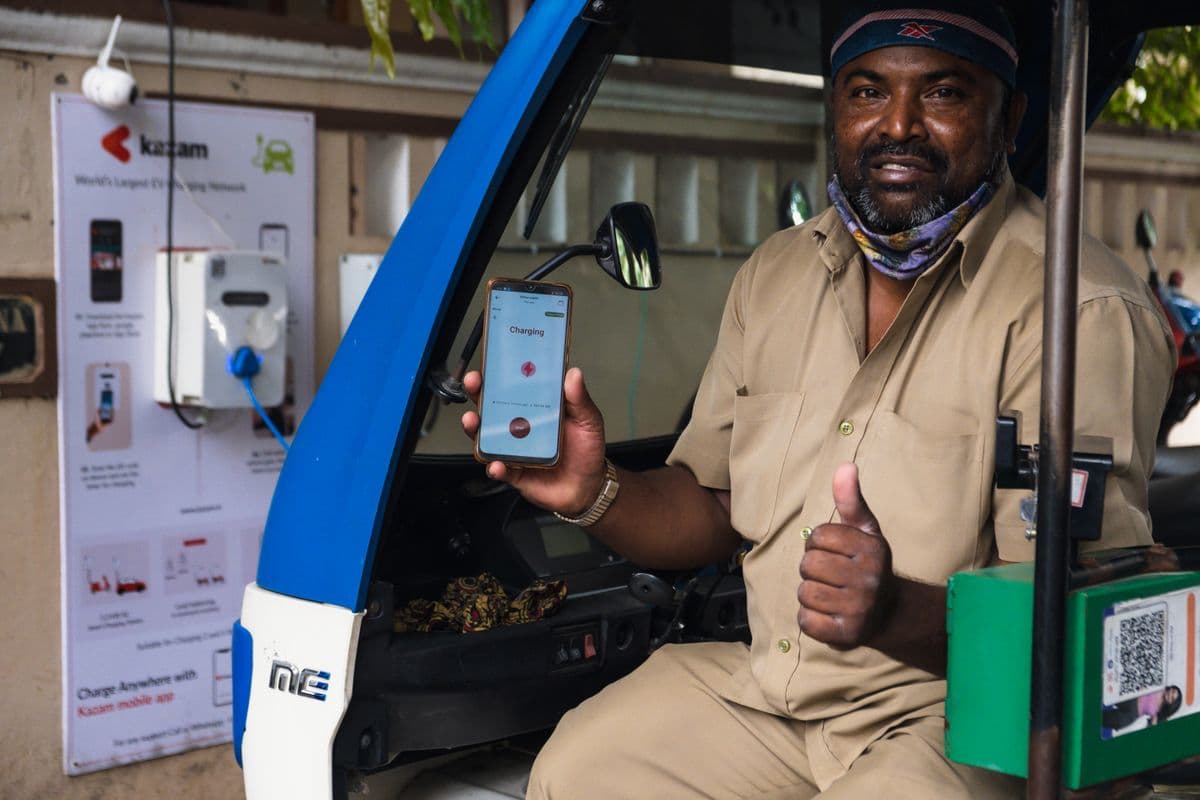
The story of electric vehicles in the Philippines is often told through technology and infrastructure, through batteries and connectors and charging maps. But it is just as much a story about people, and about who decides what the family drives next. Among those driving the change, women are playing an increasingly visible and influential role, as drivers, charger hosts, advocates, and the decision-makers who often have the final say in households and small businesses alike. As of 2026, their influence on the EV transition is hard to overstate, and it deserves far more attention than it usually receives in the coverage.
Practical reasons that resonate
Many of the benefits of going electric line up closely with the everyday priorities that women frequently weigh when making family and business decisions. These are not abstract talking points pulled from a glossy brochure. They are the concrete, everyday considerations that actually move a real purchase decision in a Filipino household where every peso and every hour has to be accounted for.
- Lower running costs, since electricity per kilometer is generally cheaper than petrol, which matters a great deal for a household budget that has to stretch across many competing needs.
- Simpler maintenance, because EVs have fewer moving parts and tend to need less routine servicing, fewer surprise repair bills, and fewer disruptive trips to the shop.
- A quieter, smoother ride, which is especially welcome on long drives or when there are children aboard who would much rather nap than listen to a noisy engine.
- Cleaner air, an issue that resonates strongly with anyone concerned about family health and the kind of environment their children are growing up breathing.
When you put these together, the case for electric speaks directly to the kind of practical, long-term thinking that shapes real purchasing decisions in Filipino homes every day. The fuller financial picture, which often seals the decision in the end, is laid out in our breakdown of the cost of EV ownership, and families weighing space, comfort, and safety have plenty of capable options to choose from across the growing market.
More than drivers
Women are not only buying and driving EVs. They are participating actively in the entire ecosystem that supports them and makes electric ownership work. Some are becoming charger hosts, listing a home or business charger so that nearby drivers can book and charge while they earn from equipment that would otherwise sit completely idle. For women running small businesses, hosting a charger or choosing to advertise can bring in customers who linger and spend, turning an ordinary parking space into a quiet source of additional revenue. Getting started is straightforward; you simply list your charger and set your own schedule, and businesses can also advertise to EV drivers directly to reach a mobile, fast-growing audience.
Others are active as advocates and community organizers, sharing knowledge in online groups, patiently answering questions from first-time buyers, and helping demystify a technology that can feel intimidating from the outside looking in. This kind of peer guidance lowers the barrier for everyone who comes after them, and women are very often at the center of it, doing the unglamorous but essential work of reassuring the nervous and answering the same first-time questions with patience. That steady, generous presence is one of the quiet reasons adoption has spread as smoothly as it has. That communal dimension is something we explore more broadly in our look at EV communities and clubs.
Tackling the hesitations
It would be naive to ignore the hesitations that any new technology brings with it, and the common worries about charging access, upfront cost, and reliability affect everyone regardless of who they are or how they drive. What genuinely stands out is how community knowledge-sharing, much of it driven by women, helps address these concerns in a way that advertising and showroom pitches never could on their own.
When a prospective buyer can ask a trusted peer about real-world range, daily charging routines, or whether an EV actually suits the school run and the weekend trips, the decision suddenly feels far less daunting and far more achievable. Honest, practical answers from people who genuinely live with EVs build a kind of confidence that brochures simply cannot manufacture. Several of those worries also turn out to be considerably overstated once examined closely. Our roundup of EV myths debunked tackles the most persistent ones head-on, and they are exactly the reassurances that experienced owners tend to pass along in conversation with the curious.
Charging that fits real life
A transition this large only succeeds if it works for the full range of living situations Filipinos actually have, not just the convenient ones. That means charging solutions that suit everyone from condo dwellers to those in subdivisions with their own driveways, and information that speaks plainly rather than hiding behind technical jargon. Many women weighing an EV are doing so while juggling school runs, errands, and work all at once, so charging has to fit neatly into a busy life rather than dictate the terms of it.
This is exactly where the practical tools earn their keep. Being able to find a charger near home, the office, or a child's school turns charging from a chore into a complete non-event you barely notice. The growth of peer-to-peer charging helps here too, because a more distributed network of hosts means more options close to home, wherever home happens to be on the map. Setting up charging at home is often simpler than people expect going in, as our home charging setup guide explains step by step.
Safety, control, and peace of mind
Beyond the budget and the school run, there are quieter benefits that come up often when women describe what they value in an EV. The reliability of a vehicle with fewer moving parts means fewer unexpected breakdowns and fewer anxious moments stranded somewhere inconvenient. The ability to charge at home means starting many days with a full battery, without ever queuing at a fuel station late at night or in an unfamiliar area. And the simple predictability of running costs, with no surprise at the pump when prices spike, makes household budgeting calmer.
The instant, smooth power delivery also makes city driving feel more controlled and less tiring, which matters on a long day of errands with children in the back. There is no lag, no straining engine, just immediate and quiet response. Small comforts like a cabin that can be cooled before you even step in, on cars that support it, add up to a daily experience that feels considered rather than merely functional.
Carrying the movement forward
The influence women have on the EV transition is not a one-time event but an ongoing momentum. Every woman who makes the switch and talks about it honestly becomes a reference point for friends, relatives, and colleagues still weighing the decision. Every host who lists a charger adds a little capacity that someone else will rely on. And every advocate who patiently answers the same beginner questions, again and again, removes a barrier for the next person.
A few ways this momentum keeps building:
- Sharing real experiences openly, including the trade-offs, which earns more trust than any glossy campaign.
- Welcoming newcomers into communities and answering their questions without judgment.
- Participating in the marketplace as drivers, hosts, and advertisers, shaping it to fit real Filipino life.
Building a more inclusive movement
A few themes capture why all of this matters for the movement as a whole, beyond any individual purchase.
- Diverse decision-makers mean the technology has to prove itself on practical, everyday terms, which ultimately makes for better products and clearer, more honest information.
- Community-led guidance lowers the barrier for newcomers far more effectively than top-down marketing ever could, because it comes from people with nothing to sell.
- Flexible charging that fits varied living situations is genuinely essential if EVs are to work for the majority of Filipinos, not just the fortunate few with ideal circumstances.
The takeaway is simple and a little inspiring. The shift to electric in the Philippines is being shaped by a broad and diverse community, and women are very much part of its leadership, not a footnote tacked on at the end. As drivers making the call for their families, as hosts adding real capacity to the network, and as advocates patiently bringing others along, they are helping make EVs more practical, more approachable, and more firmly part of everyday Filipino life.
This matters because a transition that only works for one kind of buyer is a fragile one. When the technology has to satisfy the practical demands of households juggling budgets, school runs, and busy schedules, it ends up better for absolutely everyone, with clearer information, more honest guidance, and charging that fits real routines. The future our piece on the future of EVs describes is one they are actively building right now, one careful decision and one shared charger at a time.
Be our partner
Power the Philippines' electric future with us
Earn from an idle charger, or put your brand in front of EV drivers while they charge. Join the EVChargePH network today.