PH EV Scene
The Future of EVs in the Philippines: 2026 and Beyond
By EVChargePH Team · March 14, 2026 · 9 min read
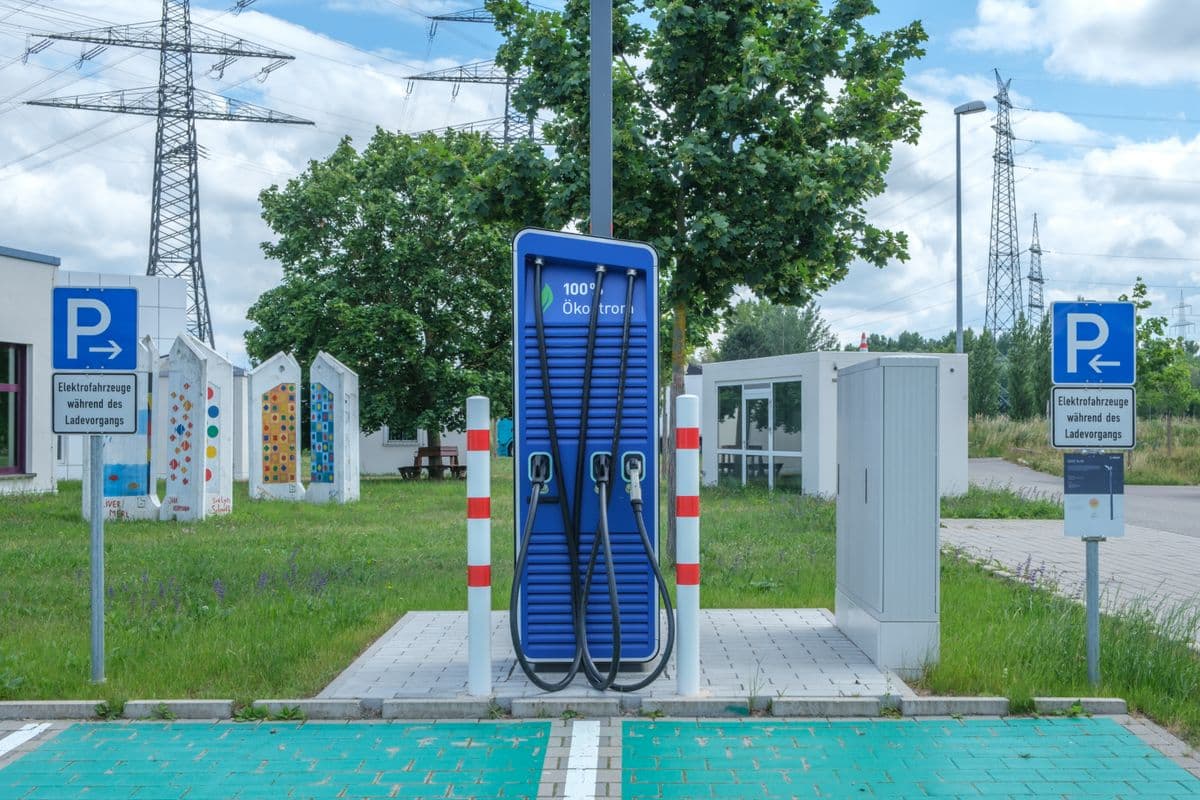
As of 2026, the Philippine EV scene has clearly turned a corner. Adoption is rising, more models are arriving each quarter, and charging is becoming easier to find in the places people actually go. The more interesting question is no longer whether electric vehicles will catch on, because that argument is essentially settled. It is what the next chapter looks like. Looking a few years ahead, several forces seem poised to reshape how Filipinos drive, charge, and think about getting around. None of this is a single dramatic leap. It is a series of overlapping shifts that, taken together, make electric the obvious default rather than the adventurous choice.
Infrastructure will keep catching up
The single biggest factor will be charging access, and it is improving on two fronts at once. Today, public charging clusters around major cities and a handful of expressway stops, which works well for metro drivers and less well for everyone else. Over the coming years, expect that map to fill in considerably. Malls, hotels, fuel stations, and office buildings along major routes increasingly see charging as a way to attract visitors and tenants, not merely a courtesy they offer at a loss. As demand rises, the business case for installing chargers strengthens, which pulls more locations online in a virtuous cycle that feeds on itself. Each new charger makes EV ownership slightly more appealing, which brings more drivers, which in turn justifies still more chargers, and so the loop continues to widen year after year.
Just as important is the rise of distributed, peer-to-peer charging. Instead of waiting only for large operators to build new stations, individual owners are listing idle home and business chargers for others to use. This grassroots layer could expand coverage far faster than centralized rollouts alone, especially in residential areas and smaller towns where it makes little commercial sense for a big operator to install a station. Anyone with suitable equipment can list their charger and become part of that fabric, and drivers can already find a charger hosted nearby today rather than waiting for some future buildout. For a fuller picture of where charging is concentrated right now, our guide to top charging spots in Luzon maps out the patterns and how to plan around them.
More choice, more affordability
Vehicle variety should keep widening well beyond the passenger cars most people picture when they imagine an EV. The next few years should bring continued momentum across several categories.
- Electric motorcycles and tricycles fit Filipino commuting patterns closely and lower the financial barrier to going electric for millions of riders who could never justify a car.
- Electric jeepneys and buses advance as part of public transport modernization, quietly cleaning the air on the busiest and most polluted routes.
- Hybrids serve as a comfortable middle step for buyers who are not yet ready to commit fully, a role we examine in Toyota hybrids as a gateway.
- More affordable passenger EVs arrive as competition intensifies and battery costs fall, broadening the range of sensible choices.
As local demand grows and global battery costs trend downward, prices should gradually move closer to those of comparable petrol vehicles. Buyers will also have more good options at sensible price points, a topic we cover in our roundup of the best EVs under two million pesos. The era of having only one or two expensive choices is ending, replaced by a genuine market where buyers can shop around and compare.
Variety also means specialization. Instead of one model trying to do everything, the market is starting to offer cars tuned for particular needs: compact runabouts built for congested city streets, larger vehicles for families who travel together, and longer-range options aimed squarely at people who do regular highway distance. As the catalogue deepens, buyers can match a vehicle to their actual life rather than compromising on whatever single EV happens to be available. That alone removes a quiet barrier that held many practical buyers back in the early years, when the choice was often take it or leave it.
Policy and the grid
Government direction will matter enormously to the pace of all this, perhaps more than any other single lever. Incentives that lower the upfront cost, clearer rules for installing chargers in condos and subdivisions, and standards that make charging connectors consistent across brands would all accelerate adoption meaningfully. Around 2026, momentum on these fronts is encouraging, though the pace can vary from year to year and from one administration's priorities to the next. Our overview of the EVIDA law and incentives explains what is in place today and what it means in practice for ordinary buyers.
There is also the electricity grid to consider, and it is more opportunity than threat. More EVs mean more demand, yes, but they also create new possibilities rather than just strain. Smart charging during off-peak hours flattens demand and uses capacity that would otherwise sit idle overnight. Eventually, vehicle-to-grid concepts, where parked cars feed power back to help balance the grid, could turn a fleet of EVs into a distributed asset rather than a burden. Pairing charging with rooftop solar adds yet another dimension, letting owners fuel their cars from the sun for a large part of the sun-rich year, which is an increasingly popular setup for households that already have panels on the roof.
Honest uncertainties
It would be dishonest to pretend everything is settled and smooth. A balanced view of the future has to acknowledge the open questions that practical buyers rightly raise.
- Charging coverage in remote provinces remains thin, and closing those gaps will take time, investment, and some creativity from both operators and community hosts.
- Long-term battery cost and replacement still worries buyers, even though degradation in practice is gentler than the myths suggest, as we discuss in battery degradation myths.
- Used-EV resale values are still stabilizing, which affects how the total cost of ownership pencils out over many years of holding a vehicle.
Filipino buyers are practical people, and these uncertainties will shape exactly how fast the curve bends upward. The encouraging part is that each of these concerns is steadily improving rather than stuck in place. Coverage grows, batteries prove durable, and a maturing used market gives values something to settle around.
The likely shape of things
Putting it all together, the most realistic picture is steady, broad-based growth rather than an overnight transformation that catches everyone off guard. EVs become a normal sight in traffic, charging becomes something you rarely have to think about, and the mix of private cars, shared transport, and two- and three-wheelers all electrifies at its own natural pace. Long trips that once seemed daunting become routine weekend affairs with only a little planning, and the anxiety that defined early ownership steadily fades into the background.
It is also worth remembering that the transition does not depend on any one technology winning outright. Pure electric cars, hybrids, plug-in hybrids, and electric two- and three-wheelers can all advance side by side, each serving the people and routes it suits best. A driver in a dense city, a family doing weekend provincial trips, and a rider commuting across town have genuinely different needs, and a healthy and varied market lets each of them electrify in the way that makes the most sense for their own circumstances rather than forcing everyone awkwardly down a single narrow path that fits no one perfectly.
For businesses, the trend is an opportunity as much as a backdrop to ignore. As the EV-driving population grows, reaching those customers becomes genuinely valuable, whether by hosting a charger that draws people in or choosing to advertise to EV drivers directly on the platform. Establishments that get in early build loyalty with a community that is expanding every month, and that head start is hard for latecomers to match.
For everyday drivers, the takeaway is reassuring. The ecosystem is being built out from many directions at once, including community-driven charging networks that grow with every host who joins. That makes the future of EVs in the Philippines less about a single breakthrough and more about a thousand small steps that, together, make electric the easy and obvious choice.
None of this requires you to predict the future perfectly before acting. The sensible approach is to make a decision that fits your life today, knowing that the surrounding ecosystem is improving steadily underneath you rather than standing still. Charging gets easier, models get better and cheaper, and the community of owners willing to help grows larger every month. A buyer who waits forever for everything to be perfect will keep waiting; a buyer who matches a vehicle to their actual needs now will simply enjoy a setup that gets more convenient over time. The country is not waiting for permission to electrify. It is already doing so, one charger, one new model, and one convinced driver at a time, and the pace is only quickening.
Be our partner
Power the Philippines' electric future with us
Earn from an idle charger, or put your brand in front of EV drivers while they charge. Join the EVChargePH network today.