PH EV Scene
Toyota Hybrids: The Gateway to Going Electric
By EVChargePH Team · March 6, 2026 · 9 min read
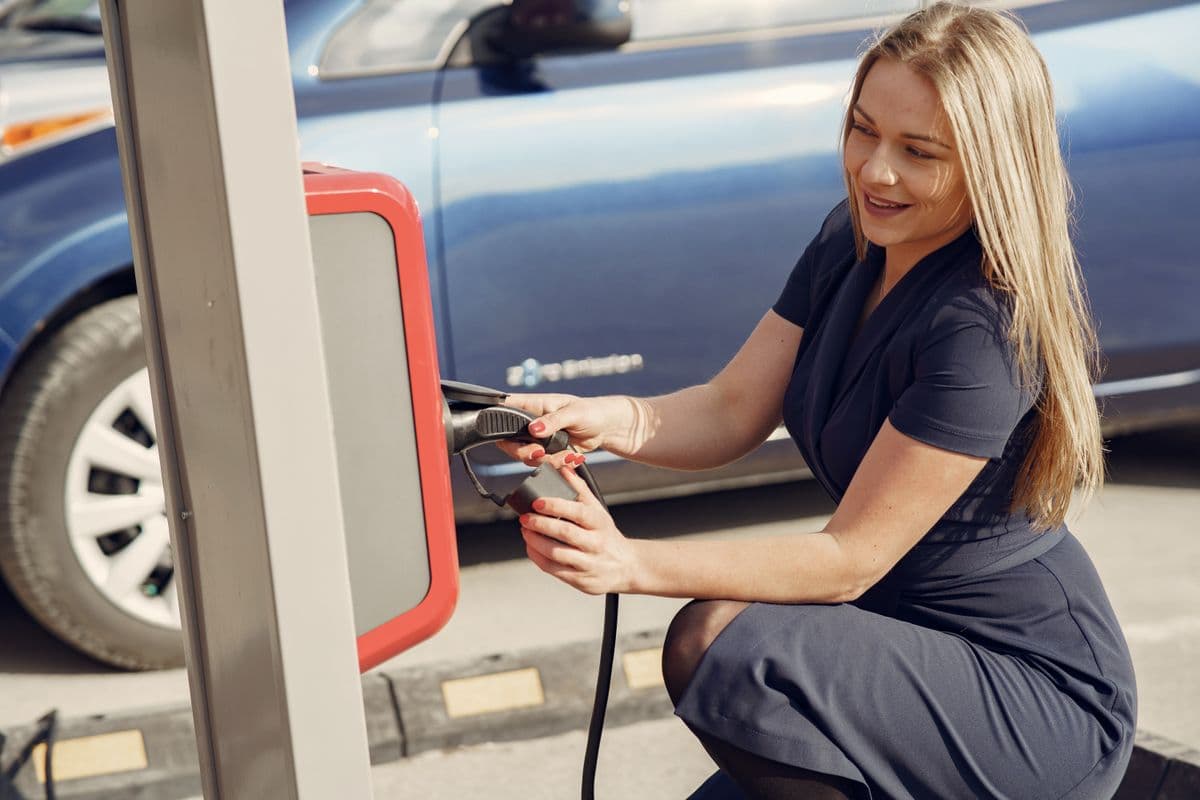
Not everyone is ready to jump straight into a fully electric car, and that is perfectly reasonable given how big a purchase a car is. For many Filipino drivers, the hybrid has become the natural first step, a way to taste the benefits of electrified driving without rearranging their lives around a charging cable. Toyota's long history with the technology has made its hybrids a familiar and trusted gateway, and as of 2026 this middle path remains one of the most practical entry points into electric motoring for the cautious majority who want progress without risk.
What a hybrid actually does
A traditional hybrid pairs a petrol engine with an electric motor and a battery. The car itself decides moment to moment when to use each power source, blending them so smoothly that the driver rarely notices the handoff happening underneath them. Crucially, it recharges its own battery while you drive, mainly through regenerative braking and the engine working at its most efficient. You never plug it in at all. You simply fuel up as normal at any station, exactly as you always have, and let the system quietly optimize efficiency in the background without any input from you.
This is the central reason hybrids appeal so strongly to careful buyers. There is no charging to plan, no range anxiety to manage, and no change whatsoever to your daily routine or your habits. You get a meaningful improvement in fuel economy, especially in the stop-and-go traffic that defines so much of Philippine city driving, without any of the lifestyle adjustments or new worries a full EV inevitably asks of its owner. If you are still sorting out the terminology and how these vehicles differ from one another, our explainer on BEV, hybrid, and PHEV lays out exactly where each category sits and what it means for you as a buyer.
Why it works as a gateway
Adopting new technology is as much about comfort and confidence as it is about raw capability on paper. Hybrids ease drivers into the electric experience gradually, removing the fear factor one small step at a time rather than all at once.
- You get used to the quietness and smoothness of electric propulsion at low speeds, which feels surprisingly different and more refined than a combustion car.
- You experience the instant response of an electric motor without giving up the reassuring familiarity of a petrol engine and a fuel tank you understand.
- You see real fuel savings on your monthly spend, which builds genuine confidence that electrification delivers practical benefits rather than just marketing talking points.
- You do all of this without depending on charging infrastructure, which is still maturing in many parts of the country and absent in others entirely.
By the time a hybrid owner is ready for their next car, the idea of going fully electric feels far less intimidating than it once did. They already know they like quiet, responsive, efficient driving from years of living with it. The only new variable left is charging, and that turns out to be a much smaller leap once everything else about electric driving is already familiar and comfortable.
Where plug-in hybrids fit
Between traditional hybrids and full EVs sits the plug-in hybrid, often shortened to PHEV. These have larger batteries that you can charge from an outlet or a dedicated charger, letting you drive a meaningful distance on electricity alone before the petrol engine steps in to assist. For drivers who can charge at home or at work, a plug-in hybrid offers a genuine taste of electric driving day to day, with petrol acting as a reliable safety net for the occasional longer trip beyond the battery's electric range.
This is the point where charging access starts to matter, even if only some of the time. A PHEV owner who can find a charger nearby gets to run on electricity far more of the time, squeezing more value and more savings from the technology they paid for. It is also a gentle introduction to the charging ecosystem before committing to a car that depends on it entirely, which makes the eventual full-EV decision feel routine rather than scary.
How a hybrid prepares you for an EV
The most underrated benefit of starting with a hybrid is what it teaches you almost without your noticing. Over months of ownership, you develop an instinct for how electric propulsion behaves: how the car glides away from a stop, how lifting off the accelerator slows you and feeds energy back, and how smooth and quiet low-speed driving can be. These are exactly the sensations that define a full EV, so by the time you switch, none of it feels foreign.
You also recalibrate your expectations about efficiency. Hybrid owners quickly learn that gentle, anticipatory driving is rewarded, that harsh acceleration is wasteful, and that traffic is no longer the enemy it once was. All of those habits transfer directly to a pure EV, where they translate into more range from every charge. In effect, a few years with a hybrid quietly trains you to be a better and more relaxed electric driver before you have even bought one, which is part of why the transition tends to go so smoothly for people who took this route.
The economics of the middle path
Part of the appeal is purely financial, and it deserves a clear-eyed look rather than wishful thinking. Hybrids cost less to run than equivalent petrol cars because they sip fuel rather than gulp it, particularly in the heavy traffic where they shine. They do not, however, reach the very low running costs of a pure EV charged at home overnight on cheap power. The trade-off is plain: fewer savings in exchange for zero charging hassle and total routine continuity. We compare these two paths directly in EV versus hybrid cost comparison, which is well worth reading if the monthly numbers are central to your decision. For the fuller financial picture of going all-electric, our breakdown of the cost of EV ownership is a useful companion that fills in the rest.
The bigger picture
It would be wrong to frame hybrids as a rival to EVs, locked in some zero-sum contest for the same buyers. They are far better understood as a stepping stone along the same journey toward cleaner driving. Every hybrid on the road represents a driver who has experienced electrified driving, grown comfortable with its character and quirks, and is therefore much more likely to choose fully electric next time around. The hybrid is not the destination anyone is aiming for. It is the on-ramp that gets people moving in the right direction.
For the Philippines specifically, this gradual approach matters a great deal in a market where infrastructure is still uneven. With charging still filling in across the provinces, hybrids let people enjoy improved efficiency and lower emissions today, no matter where they live or where they happen to park at night. And as charging becomes easier through public stations and a fast-growing network of community hosts, the leap from hybrid to full EV gets noticeably smaller every single year. That broader shift is the subject of our look at the EV revolution in the Philippines, and hybrids are very much part of how it is happening.
A few takeaways if you are weighing a hybrid as your starting point.
- It changes nothing about your routine, which is precisely the point for hesitant buyers who value predictability.
- It builds genuine familiarity with electric propulsion, making your next car decision far easier and less daunting.
- It saves fuel now, especially in the heavy traffic that most Filipino drivers face every single day.
- It keeps your options open for whatever you choose to drive next, including a fully electric vehicle when you are ready.
There is no shame in taking the gradual path, and in fact it may be the wiser one for many households. A hybrid lets you reduce your fuel spending and emissions immediately, without betting on charging access you are not yet sure about. It buys you time to watch the infrastructure improve, to see how friends and neighbors fare with full EVs, and to figure out what charging at your particular home or condo would involve. By the time the lease is up or the car is ready to replace, you will know far more than you do today, and the decision will feel obvious rather than fraught.
If you are curious about electric but not yet ready to fully commit, a hybrid is a sensible, low-risk way to begin the journey. It lets you learn what you genuinely like, save on fuel in the meantime, and keep every option on the table for the future. When you eventually make the full switch, the charging network will be waiting for you, and you can even list a charger of your own to earn from it once you have gone fully electric.
Be our partner
Power the Philippines' electric future with us
Earn from an idle charger, or put your brand in front of EV drivers while they charge. Join the EVChargePH network today.