Cost & Ownership
EV vs Hybrid: A Total Cost Comparison
By EVChargePH Team · March 20, 2026 · 9 min read
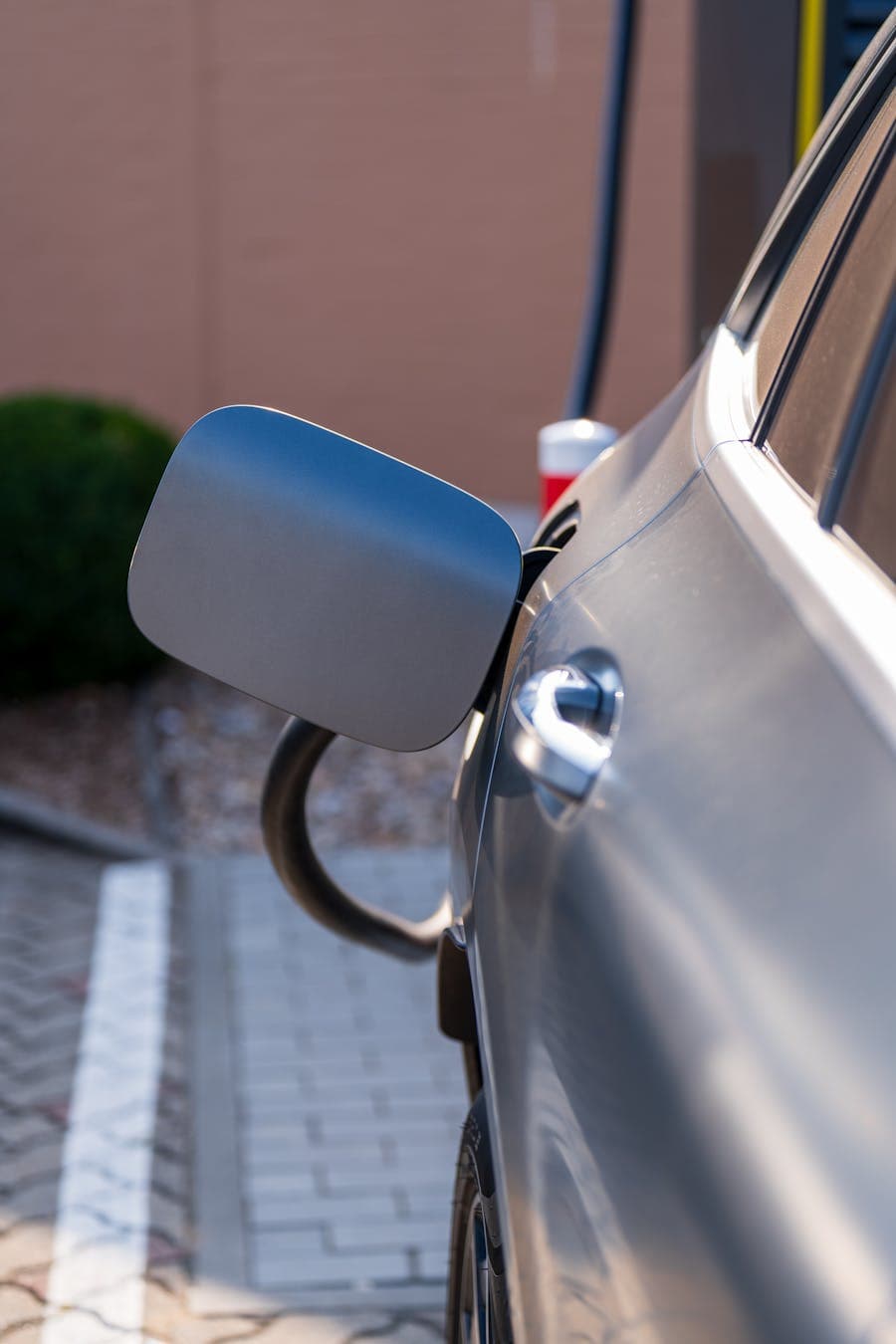
For many Philippine buyers, the real choice is not simply EV versus petrol but EV versus hybrid. Both promise lower fuel consumption than a conventional car, both have a foot in the electrified future, and both attract drivers who want to spend less at the pump. But they work differently and cost differently to own, and the right pick depends heavily on how and where you actually drive. Here is how to compare them on total cost without getting lost in marketing.
How they differ under the hood
Understanding the technology is the foundation for understanding the cost differences, because the way each car stores and uses energy drives everything else.
- A full electric vehicle (EV) runs entirely on a battery and an electric motor, with no engine and no fuel tank at all.
- A conventional hybrid pairs a petrol engine with a small battery and motor, recharging itself as you drive without ever needing to plug in.
- A plug-in hybrid (PHEV) sits in between, with a larger battery you can charge from a socket for some electric-only range, plus a petrol engine for longer trips.
The single most important takeaway is that a hybrid still uses fuel, while a pure EV does not. Our BEV, hybrid and PHEV explainer goes deeper on the distinctions, and for many readers the choice between these powertrains is the real decision behind the cost question.
Comparing energy costs
Energy is where the gap between the two is clearest. An EV charged at home is usually the cheapest to run per kilometer, because home electricity tends to cost less per kilometer than fuel, as the charging cost versus gas comparison spells out. A hybrid uses less fuel than a conventional car, sometimes impressively so, but it still buys gasoline at the pump every time you fill up.
- EV: the lowest energy cost per kilometer when charged at home, depending on your electricity rate
- PHEV: cheap for short electric-only trips, but it reverts to fuel for longer drives once the battery is depleted
- Hybrid: better fuel economy than a regular car, but still fundamentally fuel-dependent
If most of your driving is local and you can charge at home, the EV's energy advantage is genuinely hard to beat, and it compounds over the years.
Comparing maintenance
Maintenance also tends to favor the pure EV. With no combustion engine, an EV skips oil changes and a long list of wear items, as the EV maintenance savings article details. A hybrid, by contrast, still has a petrol engine alongside its electric components, so in some respects it carries the maintenance needs of both systems at once, though it does benefit from regenerative braking that eases brake wear just as an EV does.
This is one area where the hybrid's dual nature works against it on cost. You get an engine to maintain and electric hardware to look after, where the EV simply has fewer mechanical things to service. Over a long ownership period, that difference adds up quietly in the EV's favor.
Where hybrids genuinely have the edge
Hybrids are not the lesser choice in every situation, and it would be unfair to paint them that way. They shine clearly in several common scenarios:
- No charging access: a hybrid never needs a plug, so it suits drivers who simply cannot charge at home or at work
- Long-distance driving: refueling is quick and stations are everywhere, which is a real advantage on long provincial trips
- Lower upfront price than some EVs, which narrows the initial cost gap at purchase
- Range confidence, since there is never any concern about finding a charger on an unfamiliar route
For someone who drives long distances frequently or lacks reliable home charging, a hybrid can be the more practical and even the cheaper pick once everything is accounted for. The toyota hybrids as a gateway piece explores how many Filipinos use a hybrid as a comfortable stepping stone toward full electric.
The charging access question is decisive
If there is one factor that tips this comparison more than any other, it is whether you can charge at home. An EV with convenient home charging unlocks the cheap overnight energy that drives most of its cost advantage. Take that away, and the EV has to rely on public charging, which costs more and is less convenient, narrowing the gap considerably. A hybrid sidesteps the entire question by refueling like any ordinary car.
So before you compare sticker prices or fuel economy, answer the charging question honestly. The public versus home charging article weighs the options, and you can check what public infrastructure exists near you on the find a charger map. Your answer here should weigh heavily in the decision.
Where the PHEV fits in
The plug-in hybrid deserves its own look, because it tries to capture the best of both worlds and ends up with a distinct cost profile. With a larger battery than a conventional hybrid, a PHEV can cover short daily trips on electricity alone, sipping cheap home-charged power, then fall back on its petrol engine for longer journeys without any range concern. On paper this sounds ideal, and for some drivers it genuinely is, particularly those whose commute fits within the electric range but who occasionally need to drive far.
The catch is that a PHEV carries the complexity, and therefore some of the maintenance, of both a combustion engine and an electric drivetrain. You get an engine to service and a battery to look after, which sits between the simplicity of a pure EV and the self-sufficiency of a plain hybrid. Its energy cost also depends heavily on discipline: if you diligently charge it and stay within the electric range most days, it can be very cheap to run, but if you let the battery sit empty and drive on petrol, it behaves much like an ordinary hybrid. In effect, a PHEV rewards an owner who plugs in faithfully and penalises one who does not, which makes your own habits a bigger variable than they are with either a pure EV or a plain hybrid. Whether that flexibility is worth the added complexity is a personal call that depends on how predictable your driving really is.
Resale value and the maturing market
Total cost is not just about what you spend running the car; it is also about what you get back when you sell it, and here both technologies carry some uncertainty in the still-young Philippine market. Hybrids have a longer track record locally, which lends their resale values a degree of predictability, while pure EVs are newer enough that their depreciation is still settling as buyer familiarity grows. Neither picture is fixed, and both are evolving as the market matures, so any resale figure you use should be treated as an educated estimate rather than a certainty.
For EVs specifically, battery health becomes part of the resale story, since a buyer of a used electric car can often read the pack's condition before purchasing through a state-of-health figure or an independent check. A well-kept battery supports a stronger resale value, which ties good ownership habits directly to the money you recover later. Policy momentum behind electrification and the steadily expanding charging network both point toward a market that is becoming more comfortable with used EVs over time, which should gradually firm up their resale values. The honest summary is that resale is a real factor for both choices and a moving target for each, so lean conservative and revisit your assumptions as the market matures. If the mechanics of buying and selling on the platform are new to you, the how it works overview lays out the basics.
Putting the total cost together
To compare the two fairly, look at the total cost of ownership over several years rather than fixating on the sticker price alone, since the sticker price is only the first of many numbers that decide what a car really costs you.
- Add up the purchase or financing cost for each option, interest included
- Estimate energy cost from your real driving and either your electricity rate or the fuel price
- Include maintenance, which tends to be lighter for the pure EV
- Factor in resale value and any current incentives that apply to your specific vehicle
For drivers who can charge at home and mostly stay local, the EV often wins on total cost as of 2026, carried by cheap home charging and a lack of an engine to maintain. For those without home charging or with heavy long-distance needs, a hybrid can make more sense, since it never waits for a charger and refuels anywhere in minutes. The plug-in hybrid sits between the two and suits a driver disciplined enough to keep it charged. The honest answer is that there is no single winner; the right choice depends on how and where you actually drive, and the discipline of running the numbers for your own situation, with your own electricity rate and your own mileage, is what reveals it.
Be our partner
Power the Philippines' electric future with us
Earn from an idle charger, or put your brand in front of EV drivers while they charge. Join the EVChargePH network today.