Charging 101
How to Plan an EV Road Trip in the Philippines: A Step-by-Step Checklist
By EVChargePH Team · October 19, 2026 · 8 min read
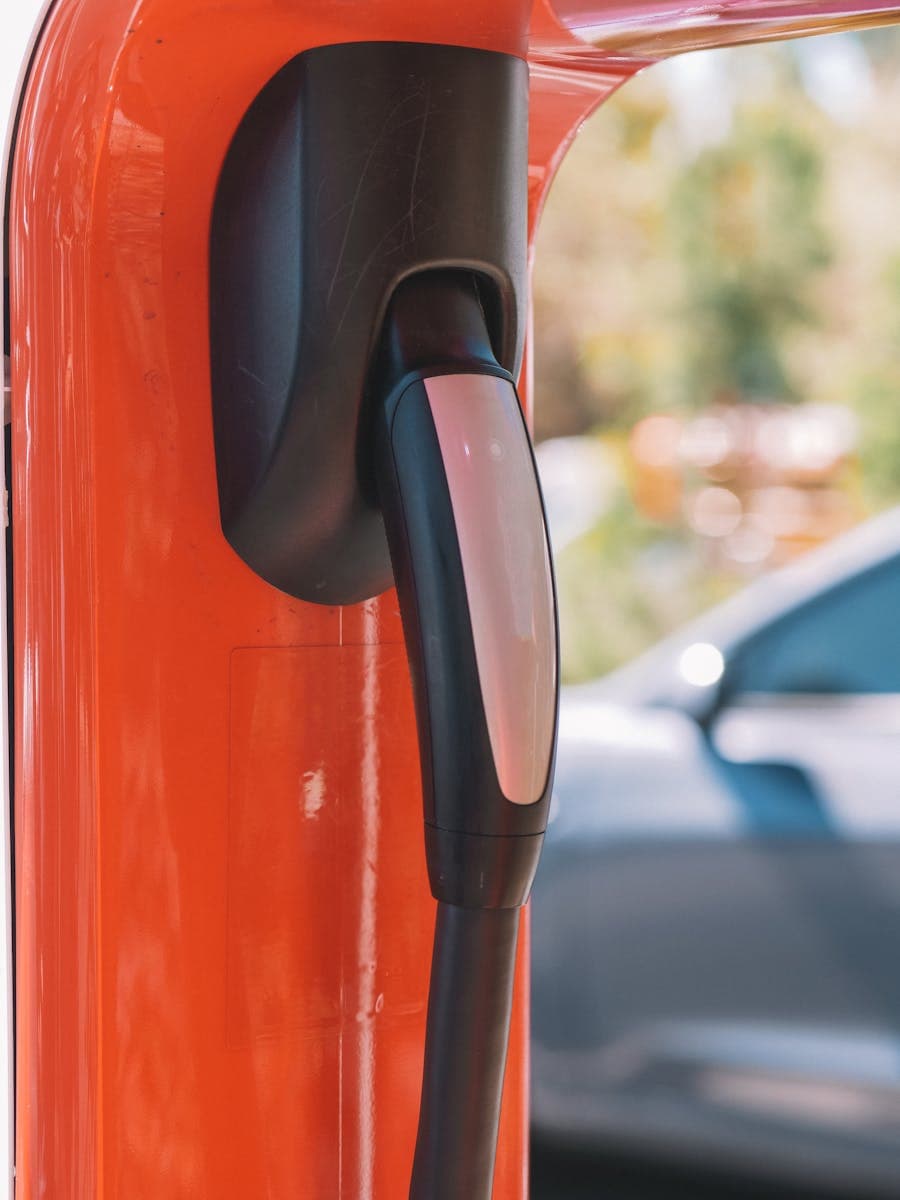
To plan an EV road trip in the Philippines, work out your real-world range, map every charging stop along your route before you leave, and pick a backup charger for each leg. Plan to charge between roughly 10% and 80% rather than draining to zero, because charging is fastest in the middle of the battery and slows down near full.
Do those three things, confirm the chargers are working on the day, and a long drive in an EV is as relaxed as any other road trip.
How far can your EV really go on a road trip?
Start with honest numbers, not the brochure figure. Official range is measured in controlled test conditions. On the road, your range is lower when you drive faster on expressways, run the air conditioning hard in the heat, carry a full load of passengers and luggage, or climb into the hills.
- Use your own consumption history. If your car's trip computer shows how many kilometres you typically get per charge, plan around that, not the sticker number.
- Leave a buffer. Treat the last 10 to 15 percent of the battery as untouchable. It is your safety margin if a charger is busy or down.
- Expect range to drop on highways. Steady high speed uses more energy than gentle city driving.
Our guides to EV range in Philippine traffic and heat and WLTP vs real-world range explain what to expect in more detail.
How do you find chargers along your route?
Map your charging stops before you leave home, not when the battery is already low. The simplest method is to work backwards from your destination.
- Open the [EVChargePH map](/map) and look at the stations near your route, the plugs they offer and whether they are fast DC or slower AC.
- Check the [routes page](/routes) for popular corridors and the charging options along them.
- Mark the DC fast chargers first. On a long leg you want fast charging, not a slow wall unit that takes hours.
- Note what is near each charger. A stop near a mall, restaurant or rest area turns charging time into a proper break.
If you are heading along the expressways, read our guide to EV charging on NLEX, SLEX and other expressways for what to expect on the highway network.
What is the best way to schedule charging stops?
The most efficient approach is to charge often but briefly, not to run the battery down and fill it all the way up.
- Aim to arrive at each charger with about 10 to 20 percent left. That keeps a safety margin without wasting range.
- Unplug at around 80 percent on DC fast chargers. Charging speed tapers off as the battery fills, so the last 20 percent can take as long as the first 60. Two short stops are usually faster than one long one.
- Time stops with meals and rest. Fast charging for 20 to 40 minutes fits naturally with lunch or a bathroom break.
- Add a stop earlier than you think you need. A spare charging stop costs minutes. An empty battery costs hours.
For the difference between charger types and why speed varies, see fast vs slow charging.
Which plugs and apps do you need?
Before you go, check that your car's connector matches the chargers you plan to use. In the Philippines you will meet several connector standards, and an adapter or the wrong plug can end your plans at the station.
- Confirm your plug type. Know whether your car uses CCS2, Type 2, CHAdeMO or GB/T, and filter the map accordingly. Our connector guide covers each one.
- Set up payment ahead of time. Many networks need their own app, RFID card or a linked e-wallet. Download and register before you leave, while you still have a strong signal. See how to pay for EV charging.
- Carry the right cable. If you plan to use AC chargers, bring your portable charging cable, and keep it stored in the boot.
- Learn the [EV glossary](/ev-glossary) terms if charger specs like kW and kWh still feel confusing.
What if a charger is busy or broken?
Chargers can be occupied, offline or faulty, and the Philippine network is still growing, so plan for it.
- Always have a Plan B. For each leg, pick a second charger within your remaining range.
- Check status on the day. Look at the station listing before you commit to a long detour.
- Be patient and courteous. If someone is charging ahead of you, follow normal charging etiquette: do not unplug others, move your car when you are done, and do not block bays.
- Know your slow-charging fallback. If everything fails, a regular AC charger at a hotel or business can add useful range overnight, so ask ahead whether a destination offers charging.
What should you check on the day of the trip?
A short pre-departure routine prevents most surprises.
- Start with a full or near-full battery. Charge at home or at your hotel the night before.
- Check tyre pressure. Correct pressure helps efficiency and safety, especially with a heavy load.
- Pack the essentials. Charging cable, payment cards or app logins, phone mount and a power bank.
- Download offline maps in case signal drops on rural stretches.
- Share your plan. Tell someone where you are headed and roughly when you will arrive.
Can you charge at your destination?
Ideally, yes. Arriving at a hotel, resort or relative's home with a plug available means you can start the return trip with a full battery and no stress. Ask in advance whether charging is available, what plug it uses and whether there is a fee. If you own a charger and your property sits on a popular route, you could also list your charger and earn from visiting drivers.
Is an EV road trip worth it in the Philippines?
For many drivers, yes. Fast charging stops are a good excuse to rest, and the running cost per kilometre is typically lower than petrol. The trade-off is planning: you need to think about chargers a little more than you would about petrol stations. With a repeatable checklist, that becomes a habit rather than a chore, and every new charger added to the network makes the next trip easier. If you want to see the savings on your own routes, try the EV savings calculator.
*This guide is general planning advice and uses no market statistics. Charger availability, plug types and prices change often, so confirm details on the EVChargePH map before you travel.*
Be our partner
Power the Philippines' electric future with us
Earn from an idle charger, or put your brand in front of EV drivers while they charge. Join the EVChargePH network today.