Buying Guide
How to Buy an EV in the Philippines: A Step-by-Step Guide
By EVChargePH Team · October 27, 2026 · 7 min read
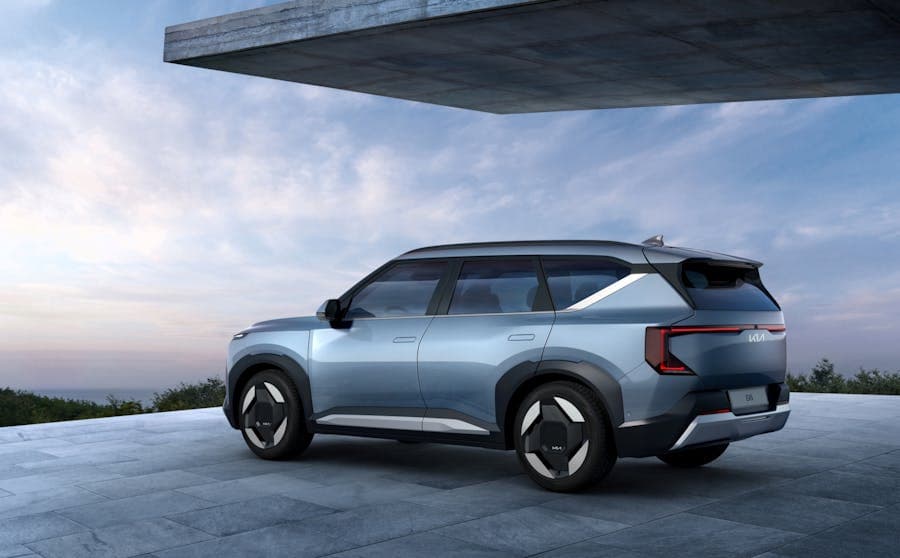
Buying an electric car can feel different from buying a petrol one, but it follows a clear, logical order. Sort out where you will charge, set a realistic budget, shortlist models that fit, test-drive your favourites, then handle the purchase and paperwork. Follow these steps in sequence and you will make a confident choice rather than an overwhelmed one.
Step 1: Sort out charging first
Before anything else, work out where you will charge, because it shapes the whole experience. If you can charge at home, you have the ideal setup: cheap overnight charging at roughly ₱11 to ₱13 per kWh and a full battery each morning, as our guide to EV home charging explains. If you cannot charge at home yet, check what public charging is near you on the map first. Deciding this early prevents disappointment later.
Step 2: Set a realistic budget
Decide what you can comfortably spend, counting the running-cost savings over the years you will own the car, not just the sticker price. EVs span a wide range, from value models to premium ones. Our roundups of the cheapest electric cars and the best EVs under ₱1.5M show the value end, and the EV savings calculator helps you weigh the long-term picture.
Step 3: Shortlist models that fit your needs
Now match cars to how you actually drive. Think about space, range for your real distances, and charging compatibility, rather than chasing the biggest numbers. Our find my EV quiz narrows it down in a few questions, and you can compare each model's charging details on the EV models hub. Aim for a shortlist of two or three.
Step 4: Test-drive your shortlist
A test drive tells you what a spec sheet cannot: how the car feels, how comfortable it is, and whether the controls suit you. Our guide to how to test-drive an EV lists exactly what to check. Treat it seriously; this is where a shortlist becomes a decision.
Step 5: Ask the right questions
Before committing, get clear answers from the dealer on warranty, charging, after-sales service and the full price. Our list of questions to ask before buying an EV covers what matters, so you are not caught out after the sale.
Step 6: Handle the purchase and paperwork
Once you have chosen, there is the matter of payment and registration. If you are financing, arrange your loan, keeping the total cost in view. The car will need to be registered with the LTO, where EVs enjoy certain perks, as our guide to registering an EV with the LTO explains. Confirm what is included, the delivery timeline, and that all documents are in order.
Step 7: Set up for ownership
With the car on the way, get ready to enjoy it: finalise your home charging, learn your connector, and plan your first charge. Our first week with a new EV checklist walks through settling in smoothly.
Frequently asked questions
What is the first thing to do when buying an EV?
Sort out where you will charge. Home charging makes ownership cheapest and most convenient, so confirm you can charge at home, or check nearby public charging on the map, before anything else.
How do I choose which EV to buy?
Match the car to your real driving, charging situation and budget, not the biggest spec numbers. Use the find my EV quiz, shortlist two or three, and test-drive them before deciding.
Do I need to do anything special to register an EV?
You register it with the LTO like any vehicle, and EVs enjoy certain perks in the process. Our guide to registering an EV with the LTO covers the fees and details.
Should I buy new or used?
Both can be smart depending on your budget and priorities. Our guide to new vs used EVs weighs the trade-offs to help you decide.
Be our partner
Power the Philippines' electric future with us
Earn from an idle charger, or put your brand in front of EV drivers while they charge. Join the EVChargePH network today.