Charging 101
How Does an Electric Car Actually Work? (Simple Guide)
By EVChargePH Team · October 27, 2026 · 6 min read
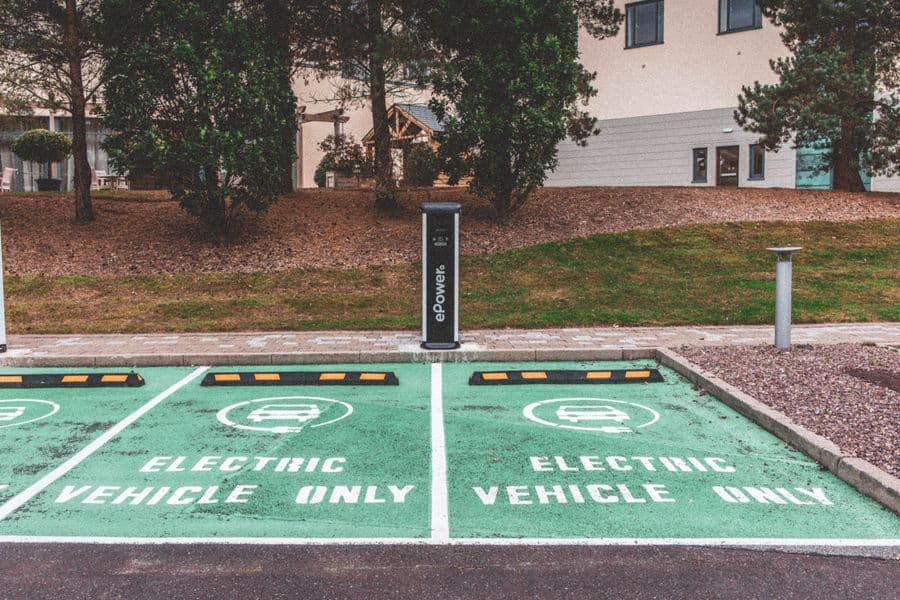
An electric car works by storing electricity in a large battery and using an electric motor to turn the wheels. There is no petrol engine, no fuel tank, and no conventional gearbox. You plug it in to refill the battery, press the accelerator to send power to the motor, and lift off to slow down while recovering a little energy. That is the entire idea; everything else is detail.
What are the main parts of an EV?
An electric car has far fewer moving parts than a petrol car. The essentials are simple.
- The battery. A large pack, usually under the floor, that stores the energy. Its size is measured in kWh, which is like the size of the fuel tank.
- The electric motor. This turns electrical energy into motion to drive the wheels. Some EVs have one motor, others have two for all-wheel drive.
- The inverter and controller. The electronics that manage how much power flows from the battery to the motor when you press the accelerator.
- The charging port. Where you plug in to refill the battery.
Because there is no engine, no fuel system, no exhaust and no multi-speed gearbox, there is simply less to go wrong, which is a big part of why EVs need less maintenance, as our guide to EV maintenance in the Philippines explains.
How does it move?
When you press the accelerator, the controller draws power from the battery, the inverter converts it to the form the motor needs, and the motor spins the wheels almost instantly. There is no revving up and no shifting through gears in the usual sense, so the car moves off smoothly and responds the moment you ask.
This instant response is why EVs feel quick and effortless in traffic, which we explain in why EVs feel fast.
How does it slow down?
Here is a clever part. When you lift off the accelerator, the motor can work in reverse as a generator, slowing the car and sending a little energy back into the battery. This is called regenerative braking, and in stop-and-go Philippine traffic it quietly recovers energy a petrol car would waste as brake heat. Our guide to regenerative braking and one-pedal driving covers it in full. The car still has normal friction brakes for harder stops.
How do you refuel it?
Instead of visiting a petrol station, you plug the car in. Most charging happens at home overnight at roughly ₱11 to ₱13 per kWh, which is cheap and convenient, and you wake up to a full battery. For longer trips, public chargers top you up faster. Our guides to EV home charging and charging costs explain how this works and what it costs.
Why is it different from a petrol car?
The core difference is that an EV turns stored electricity directly into motion, while a petrol car burns fuel in an engine. That one change cascades into everything: smoother and quieter driving, instant response, far fewer moving parts, lower running costs, and refuelling at home instead of a station. If you are weighing whether those differences suit you, our honest look at whether an EV is worth it brings the trade-offs together. New to the terms along the way? The EV glossary explains them in plain language.
Frequently asked questions
Does an electric car have a gearbox?
Not in the traditional sense. Most EVs use a single-speed reduction gear, so there is no shifting through multiple gears. The motor delivers power smoothly across its range, which is why driving an EV feels seamless.
What powers the electric motor?
The battery. Stored electricity flows from the battery through the inverter and controller to the motor, which turns the wheels. You refill the battery by plugging in, usually at home.
Is an electric car hard to understand or drive?
No. It is actually simpler to drive: press to go, lift to slow, and there are no gears to think about. Understanding the basics above is enough to feel confident, and the driving itself is easier than a petrol car.
Why do EVs need less maintenance?
Because they have far fewer moving parts. No engine, no oil changes, no timing belts, no exhaust, and brakes that last longer thanks to regenerative braking. Less to wear out means fewer trips to the shop.
Be our partner
Power the Philippines' electric future with us
Earn from an idle charger, or put your brand in front of EV drivers while they charge. Join the EVChargePH network today.