Charging 101
Regenerative Braking and One-Pedal Driving in Philippine Traffic: How It Works and Why It Helps
By EVChargePH Team · October 26, 2026 · 8 min read
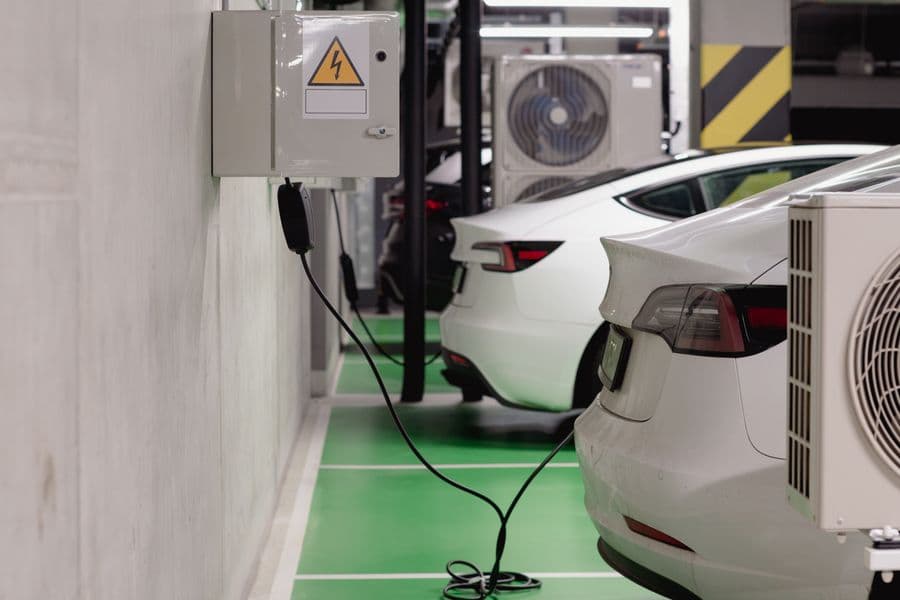
Regenerative braking is when an EV's motor works backwards as a generator while you slow down, converting some of the car's motion back into electricity for the battery. One-pedal driving is a setting that makes this regen strong enough that lifting off the accelerator slows the car firmly, so you rarely need the brake pedal. In Philippine stop-and-go traffic, this is where an EV quietly earns back some of the energy that a petrol car just burns off as brake heat.
What is regenerative braking?
In a petrol car, braking turns your speed into heat in the brake pads and discs. That energy is simply lost. An EV can do something smarter: when you lift your foot, the electric motor reverses its role and resists the wheels' rotation, acting as a generator. That resistance slows the car, and the electricity it produces flows back into the battery.
- It is not free energy. Regen only recovers a portion of the energy you spent getting up to speed, so it extends range rather than recharging the car.
- It works best when you slow down gradually. Gentle, early lifting recovers more than a hard stop at the last second.
- It still uses friction brakes. Hard stops, low battery temperatures and a full battery all reduce how much regen is available, so the brake pedal always remains in play.
What is one-pedal driving?
One-pedal driving is simply a strong regen setting. Press the accelerator to go, ease off to slow, and the car decelerates firmly, often down to a near stop, without touching the brake. Many EVs sold in the Philippines offer adjustable regen levels (usually in the drive settings or via paddles on the steering wheel), though the names and the strength vary by brand and model. Check your own owner's manual for exactly what your car offers.
- Low regen: feels like a petrol car coasting. Good for highways.
- Standard or medium regen: a balanced default for mixed driving.
- High or one-pedal mode: strong slowing the moment you lift. Best for the city.
Some cars will bring you to a complete stop in one-pedal mode; others slow you strongly but still need the brake for the final stop. Again, this depends on the model.
Why does regen matter in Philippine traffic?
Regen is most useful where you brake often, and few places brake more than Metro Manila. EDSA, C5, Commonwealth and Cebu's busy corridors mean constant slow-and-go. Each time you lift and slow, a petrol car wastes that motion, while an EV recovers some of it.
- City driving gets more efficient. This is a key reason many EVs do well in urban conditions compared with steady high-speed runs. See how real-world range differs in EV Range in Philippine Traffic & Heat.
- Less brake wear. Because the motor does much of the slowing, brake pads often last longer, which is part of the lower upkeep story in EV Maintenance in the Philippines.
- Smoother, less tiring crawl. Many drivers find one-pedal driving makes bumper-to-bumper traffic less tiring, because there is less foot-swapping between pedals.
Does regen help on highways and long trips?
Less than in the city. At steady highway speeds you are not slowing often, so there is little to recover. Where regen does help is on long downhill stretches, such as descending toward Tagaytay's ridge or coming down from Baguio, where the motor can recover energy and also reduce brake heat on the way down.
For longer drives, plan your charging stops rather than counting on regen to bail you out. Use our routes and the charging map to see where you can top up, and read How to Plan an EV Road Trip in the Philippines for a step-by-step checklist.
Why is regen weaker sometimes?
If your regen suddenly feels softer, that is normally normal behavior, not a fault.
- Full or nearly full battery. With nowhere to put the energy, the car limits regen. This is common right after charging to 100%, so you may feel less slowing on the first downhill after a full charge.
- Cold or very hot battery. Battery temperature affects how much power it can accept.
- Low-traction conditions. Some cars limit strong regen on slippery roads, such as during heavy rain, to keep the car stable.
If you are unsure, your manufacturer's manual or dealer is the right authority on how your specific model manages this.
Tips to get the most from regen
- Look ahead. Spot red lights and slowing traffic early and lift off gradually instead of braking late.
- Pick the right level for the road. High regen for the city, low regen for open expressway cruising.
- Smooth inputs beat heavy ones. Gentle driving usually helps efficiency more than any single setting.
- Remember your brake lights. Most EVs light them when regen slows you strongly, but be aware that drivers behind you will see you slowing, so do not rely on regen alone in emergencies.
- Do not skip brake care. Because friction brakes are used less, they can get rusty or glazed in humid, rainy conditions. Follow your service schedule and have them checked.
Is one-pedal driving safe in the rain and floods?
In normal rain, yes, and most cars manage traction for you. In heavy rain or standing water, slow down and use gentle inputs, since sudden strong regen can unsettle a car on a slick surface. Never drive into deep floodwater. For what to do before and after, read Can You Drive an EV Through Floodwater in the Philippines?.
How does regen fit into your overall EV costs?
Regen will not replace plugging in, but it chips away at your energy use in the city, which is where most Filipino drivers spend their time. To see what that could mean for your own monthly running costs, try the EV savings calculator, and browse EV models to compare how different cars handle regen and efficiency. If you are new to terms like kWh and efficiency, the EV glossary explains them in plain language.
Quick answers
- Does regen charge my battery? A little, while you slow down. It extends range but is not a substitute for charging.
- Do I have to use one-pedal mode? No. Most cars let you choose lower regen if you prefer a petrol-like feel.
- Does it work when the battery is full? Usually limited, until the battery has some room.
- Is it hard to learn? Most drivers adapt within a few days of normal driving.
*General explainer based on how regenerative braking works; behavior and available settings vary by model, so check your owner's manual. No statistics are cited.*
Be our partner
Power the Philippines' electric future with us
Earn from an idle charger, or put your brand in front of EV drivers while they charge. Join the EVChargePH network today.