Cost & Ownership
Understanding EV Efficiency (km per kWh)
By EVChargePH Team · March 18, 2026 · 8 min read
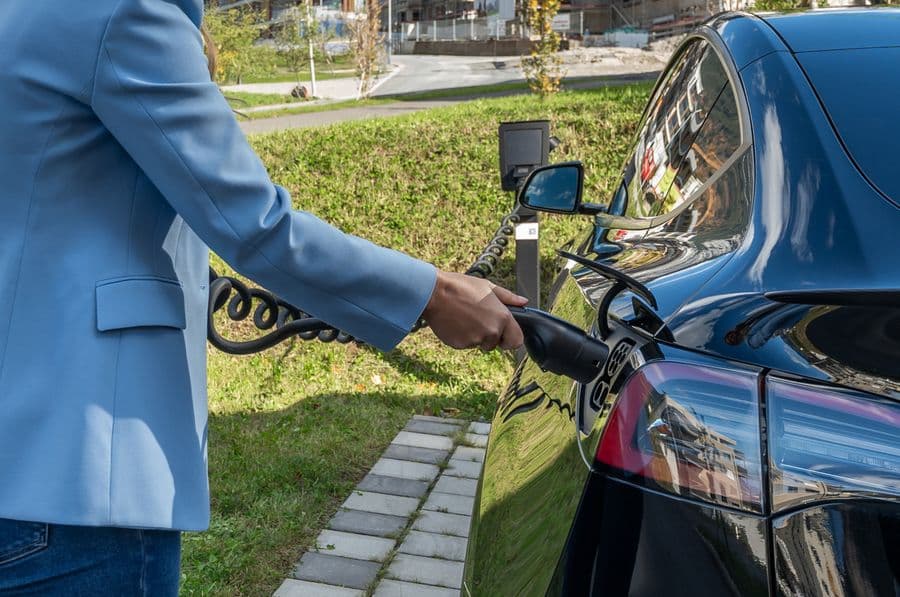
When you shop for a fuel car, you instinctively look at kilometers per liter. For an electric car, the equivalent measure is kilometers per kWh, or sometimes its inverse, kWh per 100 kilometers. Getting comfortable with this number is the key to estimating your real running costs and to comparing one EV against another on equal footing. It is not complicated once it clicks, and it is arguably the single most useful figure on an EV's spec sheet for anyone who cares about cost.
What km per kWh actually means
A kilowatt-hour (kWh) is a unit of electrical energy, and it is exactly what you pay for on your electricity bill and at charging stations. Efficiency simply tells you how far the car travels on each kWh of that energy. The relationship is intuitive once you frame it as the electric cousin of fuel economy.
- A higher km per kWh means the car uses energy more efficiently and therefore costs less to run
- A lower km per kWh means it consumes more energy to cover the same distance
- The same idea is sometimes written as kWh per 100 km, where a lower number is the better one
Think of it exactly like fuel economy: more distance per unit of energy is what you want, whether that energy comes as a liter of petrol or a kilowatt-hour of electricity. If you want to ground the kWh side in your actual bill, the what a kWh means on your bill explainer connects the unit to the figures your utility charges.
Why efficiency matters for cost
Efficiency directly drives your cost per kilometer, which is the number that actually hits your wallet. The more efficient the car, the fewer kWh it needs for a given trip, and the less you pay to cover that distance. To estimate your cost, you only need three inputs:
- Find the car's real-world efficiency in km per kWh, not just the optimistic brochure figure
- Take your electricity rate per kWh from your latest bill or from the charger's posted pricing
- Work out how many kWh a typical trip needs, then multiply by your rate
Your actual cost depends on your electricity rate, which varies by distribution utility and shifts over time, so always use your real number rather than a generic one you found online. This efficiency-driven calculation is the engine behind the charging cost versus gas comparison and feeds directly into any honest estimate of what the car costs to run over the years you keep it.
What affects real-world efficiency
The efficiency figure printed on a spec sheet is a useful starting point, but it is not a guarantee, and the gap between the brochure and your driveway can be significant. In daily driving, several factors move the number, sometimes by a lot.
- Driving style, since hard acceleration uses noticeably more energy
- Air conditioning, which draws real power, especially under the tropical sun
- Speed, because energy use climbs as you go faster, particularly on the highway
- Terrain and traffic, with hills and stop-and-go driving both reshaping consumption
- Load, as carrying more passengers or cargo uses more energy
In the Philippines specifically, heavy use of air conditioning and dense city traffic are two of the most common reasons real efficiency drifts from the brochure figure. Neither is avoidable in daily life here, so it is wise to expect your real-world number to sit somewhat below the headline. This same gap underlies the difference between rated and actual range, which the WLTP versus real-world range article explores.
How driving habits change the number
Because so much of efficiency is within your control, small habit changes produce real savings. Smooth, gentle acceleration uses far less energy than repeatedly launching from stoplights, and easing off well before a stop lets regenerative braking recover energy that aggressive braking would waste. Maintaining a steady, moderate speed on the highway helps too, since wind resistance grows quickly at higher speeds.
None of this requires driving like you are afraid of the car. It simply means that a relaxed style is rewarded with a lower bill, while an aggressive one costs you both energy and, as the battery care tips guide notes, a little extra long-term stress on the pack. Efficiency, in other words, is partly a habit rather than a fixed property of the car.
Using efficiency to compare cars
When choosing between EVs, efficiency is one of the most useful numbers to weigh, right alongside range and price. Two cars with identical battery sizes can deliver quite different ranges if one is meaningfully more efficient than the other. A more efficient car stretches each kWh further, which translates into cheaper running costs and often less time spent charging, since you need fewer kWh to go the same distance.
This makes efficiency a quiet differentiator that buyers sometimes overlook in favor of headline range or sticker price. Whether you are comparing affordable models on a budget or weighing options for the daily grind in the best EVs for city driving in Manila guide, efficiency is the number that tells you which one will actually be cheaper to live with month after month. Two cars with similar prices can have meaningfully different running costs purely because one wrings more distance from each kilowatt-hour, and over a few years that difference quietly adds up in your favour or against you.
Efficiency, range, and battery size together
Efficiency is most powerful when you read it alongside two companion numbers: the battery size and the resulting range. The relationship between them is simple but often misunderstood. Battery size, measured in kilowatt-hours, is the size of the tank, while efficiency, in kilometers per kilowatt-hour, is how far each unit of that tank carries you. Multiply the two and you get a rough usable range, which is why two cars with identical batteries can travel quite different distances if one is meaningfully more efficient.
This is exactly why range alone can mislead. A big battery can disguise a thirsty car, delivering a respectable range only by carrying more energy, while a smaller, more efficient car might match it while costing less to charge each time. The brochure range figure also tends to be optimistic, so understanding the gap between rated and real-world range matters as much as the efficiency number itself. When you weigh a car, look at all three together rather than fixating on the single biggest range figure on the page. The same blended thinking applies once you start paying to charge in public, where the pricing you encounter combines with your car's efficiency to set your real cost per kilometer on the road.
How efficiency shapes road-trip planning
Efficiency does not only affect your monthly running cost; it also quietly shapes how you plan longer journeys. A more efficient car travels further between charges, which can mean fewer stops on a long provincial drive and a little less time spent waiting at fast chargers. On a route where charging is sparse, that extra reach from good efficiency can be the difference between a relaxed trip and an anxious one, especially since real-world efficiency on the highway is pulled down by speed and, in our climate, by constant air conditioning.
The practical move is to combine your car's realistic efficiency with the route ahead. Knowing roughly how many kilometers you get per charge in real conditions lets you space your stops sensibly, so the plan is set before you leave rather than improvised at the roadside. The same frugal habits that improve efficiency, like easing off the accelerator and letting regenerative braking do its work, also reduce stress on the battery, so a gentle highway style pays off twice on a long drive. And because efficiency drives your cost per kilometer, it remains the through-line connecting your daily charging to your total cost of ownership: the more distance you wring from each kilowatt-hour, the less every trip costs and the further your money goes over the years you keep the car.
A simple way to think about it
To make efficiency genuinely practical rather than abstract, always tie it back to your own driving and your own rate.
- Look up the real-world km per kWh for each car you are considering, not just the brochure value
- Multiply by the battery size to get a rough usable range you can trust
- Combine efficiency with your electricity rate to estimate your true cost per kilometer
Done this way, km per kWh stops being a mystery and becomes a tool you can actually use. It lets you see at a glance which EV will be cheaper to own and helps you plan charging around how you really drive, whether that is short hops across the city or longer runs out to the province. And when those longer runs come up, you can map your charging stops in advance on the find a charger page so your efficiency advantage carries you comfortably to the next plug.
Be our partner
Power the Philippines' electric future with us
Earn from an idle charger, or put your brand in front of EV drivers while they charge. Join the EVChargePH network today.