Buying Guide
The Best EVs for City Driving in Metro Manila
By EVChargePH Team · April 17, 2026 · 8 min read
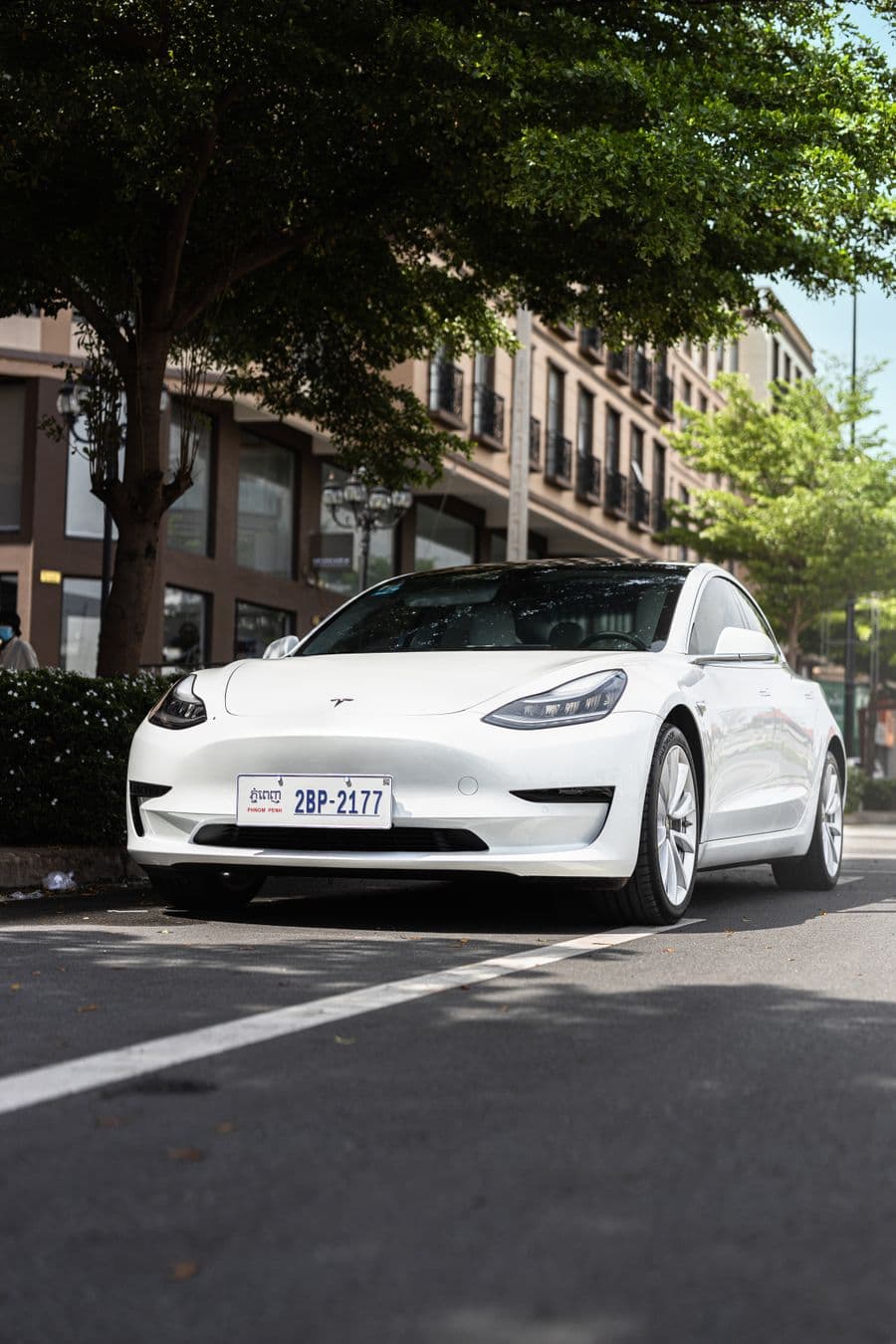
If your driving is mostly Metro Manila — EDSA crawls, mall parking, and short hops across the city — an EV may genuinely be the most sensible car you can buy. Electric drivetrains love exactly the conditions that punish petrol engines, so the dense, jammed city is their natural habitat rather than a compromise you grudgingly tolerate. Where a fuel-burning car is at its absolute worst in gridlock, an electric one is often at its very best. This guide explains precisely why that is, and walks through what to look for in an electric car built specifically for tight streets, heavy congestion, and the stop-start rhythm of metro life that grinds down ordinary cars and their drivers.
Why EVs love city traffic
In stop-and-go congestion, a petrol engine idles and burns fuel while going precisely nowhere, then strains to accelerate from a dead standstill again and again all day long. An EV simply uses no energy at all when stationary, full stop. Better still, regenerative braking recaptures energy every time you slow down and feeds it back into the battery, so the constant braking of city traffic actually returns some range rather than wasting it all as heat through the brake pads. The genuinely remarkable result is that an EV's efficiency often improves in the kind of dense traffic where conventional cars do their absolute worst — the exact opposite of what happens to a fuel-burning car stuck on EDSA at rush hour. Our explainer on efficiency measured in km per kWh shows how to read and compare those gains across different models.
The driving experience helps just as much as the raw economics. Instant, smooth throttle response makes nipping into gaps easy and confident, the total absence of gear changes suits crawling speeds perfectly, and the near-silent cabin takes the sharp edge off a long, jammed commute home. After an hour stuck in gridlock, the calm of an electric car — no engine drone, no vibration through the pedals, no clutch or gear hassle — is something owners come to appreciate very quickly and miss instantly the moment they ever go back to a petrol car.
What to prioritise for the city
City driving rewards a different set of traits than highway cruising does, so a car that reviews brilliantly on the open road may not actually be the best metro companion. Focus your shortlist firmly on what genuinely matters in tight, crowded, slow-moving conditions.
- Compact dimensions and a tight turning circle for squeezing into narrow slots, cramped basements, and tight side streets without an embarrassing three-point struggle.
- Good visibility and a reversing camera for confident, stress-free parking in tight metro spaces and busy roadside spots.
- Enough real-world range to cover several days of city driving between charges, so topping up stays occasional rather than becoming a daily chore.
- A comfortable, absorbent ride that soaks up rough roads, speed humps, and the inevitable pothole without jarring everyone inside.
- Easy-to-use controls so you are not distracted by fiddly touchscreen menus while inching through heavy, unpredictable traffic.
Several models fit this brief well, prioritising manoeuvrability and ease over outright range or raw power. The BYD Dolphin is sized and tuned squarely for urban life, while the proven Nissan Leaf remains an easy-going, low-stress city companion that a great many owners swear by after years of metro driving.
You don't need a giant battery
For pure city use, a huge battery is often simply wasted money and wasted weight you carry around uselessly for nothing. A moderate range that comfortably covers your weekly pattern is far more practical — and usually cheaper to both buy and run — than chasing the very biggest pack on the market for bragging rights. Short hops mean you sip from the battery slowly, so even a modest car can go several days between charges in typical metro use without you ever feeling constrained or anxious. There is a neat side benefit, too: a smaller battery is lighter, which makes the car feel nimbler in traffic and gentler on its tyres, and it costs less to charge from empty on the rare occasions you run it low. For the way most metro drivers actually use a car, modest and well-judged beats big and boastful almost every time, and your wallet thanks you for the restraint. Just remember that the brochure range is a lab figure; our guide to real-world versus WLTP range explains exactly why your own number will land lower, especially with the air-conditioning working hard against the relentless heat all day.
Charging in a city setting
This is the genuine make-or-break factor for happy metro ownership, more decisive by far than any single feature on the spec sheet. If you have a home or condo parking slot with a power source, city EV life is wonderfully low-effort: plug in at night, start every single day full, and rarely if ever visit a public charger at all. Our home charging setup guide covers how to arrange that, even within the real constraints of a condo building and a shared electrical supply that many metro residents face.
If your building genuinely lacks any EV provision whatsoever, check carefully whether nearby malls or stations cover your real needs, and remember that public charging access still varies a great deal across the metro as of 2026. You can see what is actually available around your neighbourhood, your office, and your usual haunts on the charger map before committing to anything. A cheap, charming city EV you cannot conveniently charge will frustrate you daily, while a sensible one that fits your parking becomes almost invisible in the very best possible way.
The comfort dividend nobody mentions
Beyond the numbers, there is a real quality-of-life argument for an EV in the metro that rarely makes it onto a spec sheet. A long commute in heavy traffic is genuinely tiring, and much of that fatigue comes from things you stop noticing until they are gone: the constant engine noise, the low vibration through the seat and pedals, the small effort of riding a clutch or shuffling gears in stop-start crawls. An EV quietly removes all of it.
- No engine drone means you arrive less frazzled after an hour in gridlock, which matters when you do it twice a day, five days a week.
- One-pedal driving, available on many EVs, lets you slow and stop using the accelerator alone, which is far less tiring than constantly swapping between two pedals in slow traffic.
- Instant, smooth response makes the car feel calm and controlled even when the road around it is chaotic and unpredictable.
These are not headline features, and a showroom test drive on quiet streets rarely reveals them, but they are exactly the things that make the daily grind of metro driving more bearable, and owners notice them every single day. It is worth seeking out a drive in real traffic, even a short one, precisely so you can feel how much calmer the experience is before you decide.
Costs that favour the city driver
City driving is also precisely where the running-cost case for an EV looks its strongest, which is a happy coincidence for metro commuters. Because the motor draws nothing while idling and regenerative braking claws back energy on every stop, the cost of crawling through traffic is dramatically lower than it would be for a petrol car burning fuel while going nowhere. The very conditions that make a conventional car expensive to run make an electric one cheap. Pair that with simpler maintenance and the lower energy cost of short, slow trips, and the metro commute that drains a fuel tank quietly becomes one of the cheapest journeys an EV ever makes. Over a year of daily driving, that difference adds up to real money kept in your pocket rather than spent at the pump.
The verdict for metro drivers
For a daily Metro Manila routine, a compact, efficient EV paired with reliable home charging is genuinely hard to beat on cost, comfort, and everyday convenience combined into one package. It cleverly turns the city's single worst feature — its endless, soul-sapping traffic — into the very place your car is most efficient and most pleasant to drive. The same gridlock that drains a petrol tank and frays a driver's nerves becomes, in an electric car, a cheap and surprisingly calm experience, which is no small thing when you face it twice a day. That reversal is the whole case in a sentence: the worse the traffic, the better an EV looks compared with the alternative. Confirm the exact range, size, and price of any model with current dealer listings rather than relying on old reviews, then test drive it in real traffic to feel the difference for yourself rather than taking anyone's word for it. And if your slot sits idle during the working day, you can even list your charger for nearby drivers, making your parking space quietly earn its keep while you are stuck at the office.
Be our partner
Power the Philippines' electric future with us
Earn from an idle charger, or put your brand in front of EV drivers while they charge. Join the EVChargePH network today.