Buying Guide
Buying a Second-Hand EV: What to Check
By EVChargePH Team · April 15, 2026 · 9 min read
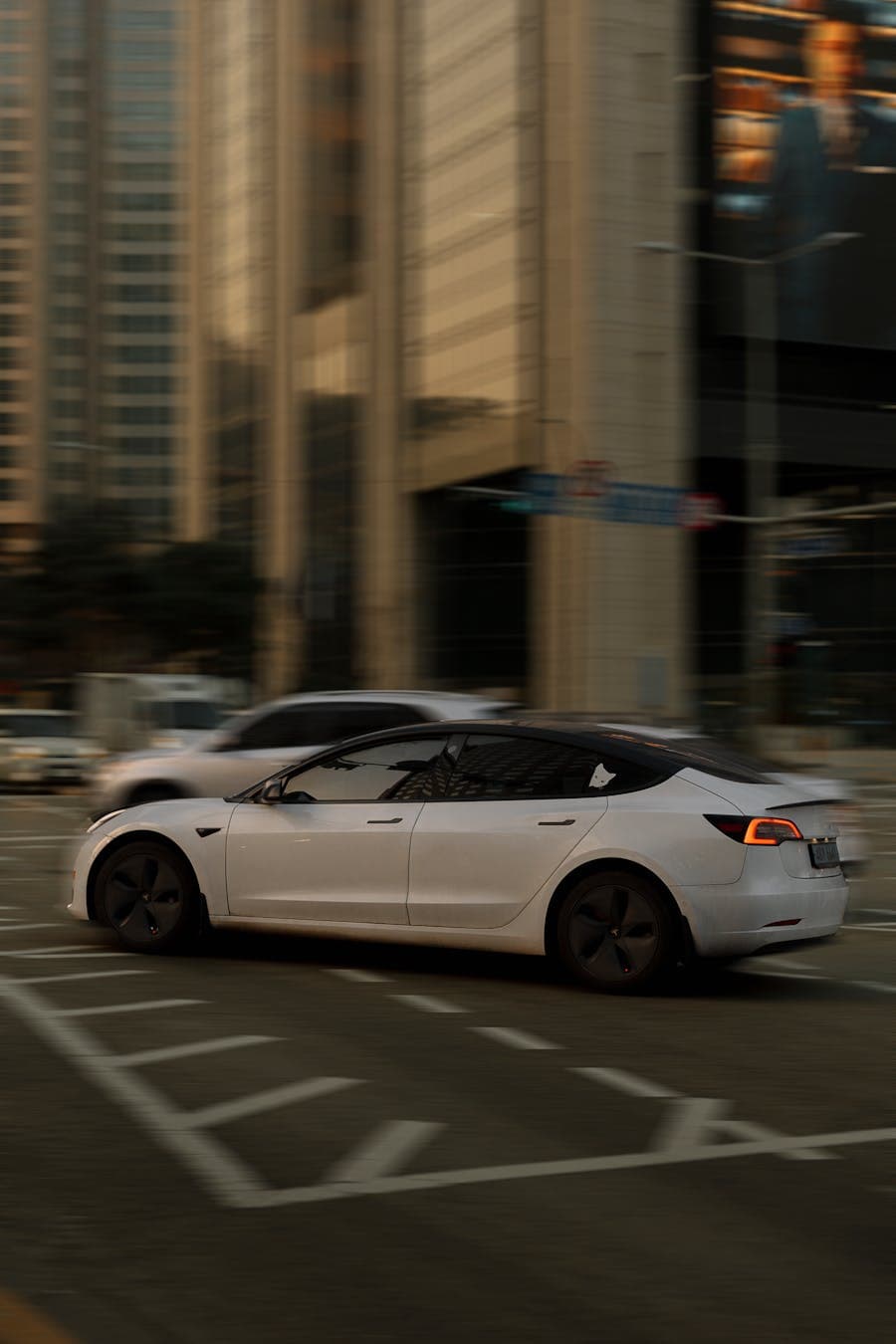
As more EVs reach the Philippine market and early adopters begin to trade up, a genuine used-EV scene is emerging — and with it the chance to get into electric driving for considerably less than buying new. But a second-hand EV demands a different inspection mindset than a used petrol car, and applying the old habits alone can leave you badly exposed. The engine you would normally fret over and listen carefully to simply does not exist; in its place sits a battery whose true condition you cannot judge by ear, by smell, or by kicking a tyre in the driveway. Get the checklist right and you can land a real bargain. Get it wrong and you inherit someone else's expensive problem. Here is how to inspect a used EV properly before any money changes hands.
The battery is the heart of the deal
With a used EV, the single most important question by a wide margin is the state of the battery. Unlike an engine, a battery slowly loses capacity over its life, which means less usable range than when the car was new — and a full replacement is the costliest job on the entire vehicle by a very long way. Before handing over any money at all, work patiently through these checks.
- Ask for any battery health or state-of-health reading the seller, a dealer, or a service centre can provide, and treat real reluctance to share it as a warning sign in itself.
- Check whether the original battery warranty is still active and, critically, whether it actually transfers to you as the new owner rather than quietly expiring on sale.
- Take a proper, unhurried test drive and compare the indicated range against what you would reasonably expect for that specific model and age.
Here is the reassuring part that calms a lot of nervous buyers down: real-world battery degradation is often slower and far less dramatic than the internet horror stories would have you believe. Our piece on battery degradation myths puts the fear into proper perspective, and our battery care tips explain how a careful previous owner can keep a pack healthy for many years. A car with a strong, still-warrantied battery is worth a clear premium over one nearing the edge of its coverage, so do not skip this step even when the rest of the car looks showroom-pristine and tempting.
Check the charging hardware too
While you are scrutinising the battery itself, verify everything around it works exactly as it should, because faults here are inconvenient and not always cheap to put right.
- Confirm the charging port and onboard charger work properly on both the included cable and an actual public station, not just one or the other.
- Make sure any portable cable and accessories are present and undamaged, since genuine replacements can be surprisingly costly to source.
- Watch that the car reaches a sensible charging speed during your inspection rather than crawling, which can hint at a fault or a tired, ageing battery quietly losing its edge.
It helps enormously to understand the basics here so you can confidently tell normal from abnormal on the day. Our guides to connector types and charging speeds make it easy to judge whether what you are seeing is exactly right for the model or a quiet red flag worth investigating further before committing.
Do the usual used-car homework
EV or not, the timeless fundamentals still absolutely apply, and skipping them is how an otherwise good battery car becomes a bad overall buy. None of this changes just because the drivetrain happens to be electric rather than petrol.
- Service history and credible proof of regular maintenance over the whole of the car's life so far.
- Tyre, brake, and suspension condition — EVs are heavy and can wear tyres faster than buyers expect, so check the tread evenly across each one.
- Clean papers, matching chassis details, and no outstanding finance or flood history lurking quietly in the background.
- Bodywork and all electronics functioning exactly as they should, with no warning lights, glitchy screens, or odd behaviour.
Because many EVs lean heavily on software, also confirm the car is fully up to date, that any accounts or profiles from the previous owner have been properly cleared, and that any features tied to a subscription will actually carry over to you rather than lapsing the very moment ownership transfers across. This is a step unique to electric and connected cars, and it is easy to forget in the excitement of a purchase, so make a point of checking it deliberately before you drive away rather than discovering a locked feature or a lingering old profile weeks later.
Know the running costs you are buying into
Part of a used EV's enduring appeal is what it costs to run, so weigh that carefully alongside the purchase price rather than fixating on the sticker alone. The cheaper energy per kilometre and the simpler servicing are real and ongoing benefits, as our EV maintenance savings breakdown explains in detail. A used EV that needs a little more careful charging planning can still be dramatically cheaper to live with over the years than the petrol car it replaces, which is exactly why the second-hand market is steadily heating up. There is a real prize hidden here for the patient buyer: a used EV combines a lower purchase price with the low running costs that drew people to electric cars in the first place, so you capture both savings at once. A petrol car only ever gets you the cheaper purchase price, never the cheaper running, which is why a carefully chosen used EV can quietly be one of the most cost-effective ways to own a car at all. To check whether the convenience side adds up for you, scout the options around your home on the charger map before you buy rather than after.
Where you buy matters as much as what you buy
Not all used-EV sources carry the same level of risk, and it pays to think about the seller as carefully as the car. A franchised dealer selling a trade-in, or a certified pre-owned programme where one exists, generally offers more recourse and better documentation than a purely private sale, though usually at a higher price. A private seller may offer a sharper deal but leaves more of the verification, and the risk, on your shoulders.
Whatever the source, a few habits protect you.
- Insist on seeing the car in daylight, fully charged or close to it, so you can assess the real indicated range rather than a convenient snapshot.
- Verify the seller's ownership and the paperwork match the car before any money changes hands, exactly as you would for any used vehicle.
- Be wary of pressure to decide quickly or to skip the battery check; a seller confident in the car will happily let you take your time and bring an expert.
A genuinely good used EV will stand up to scrutiny. If a seller bristles at reasonable, polite questions about the battery, the warranty, or the history, treat that reaction itself as useful information and be ready to walk away. There will always be another car.
Price it right and walk away if unsure
Used-EV values are still settling in the local market as of 2026, so comparable listings can vary surprisingly widely from one another for similar cars. Treat any single asking price as merely a starting point for negotiation, gather a few genuine comparisons before deciding anything, and factor the remaining battery warranty heavily into what you are ultimately willing to pay. If a seller cannot or will not answer the battery and warranty questions clearly and directly, that is a strong reason to pause rather than push ahead — silence on the most important and expensive component is itself a revealing answer you should heed.
The bottom line
A second-hand EV can be excellent value, but the battery quietly changes everything about how you approach the inspection. Insist firmly on a health check and warranty confirmation, run all the standard used-car inspections you would on any car regardless of drivetrain, and have an EV-savvy mechanic or dealer look it over carefully if you possibly can. Do that diligence properly and you protect yourself from the one genuinely expensive surprise that matters most, while pocketing the savings that drew you to a used electric car in the first place. The buyers who come away happiest are simply the patient, thorough ones who treat the battery as the headline item, ask every awkward question without apology, and walk away from any car whose seller cannot answer them. Get those fundamentals right and a used EV can be one of the smartest value buys on the market today, delivering years of cheap, quiet, low-maintenance motoring for considerably less than the cost of buying new. And if you do end up with a spare slot and a charger at home, you could even list your charger to earn a little from it while you own the car.
Be our partner
Power the Philippines' electric future with us
Earn from an idle charger, or put your brand in front of EV drivers while they charge. Join the EVChargePH network today.