Cost & Ownership
How Much Does It Cost to Charge an EV in the Philippines? (2026)
By EVChargePH Team · July 11, 2026 · 7 min read
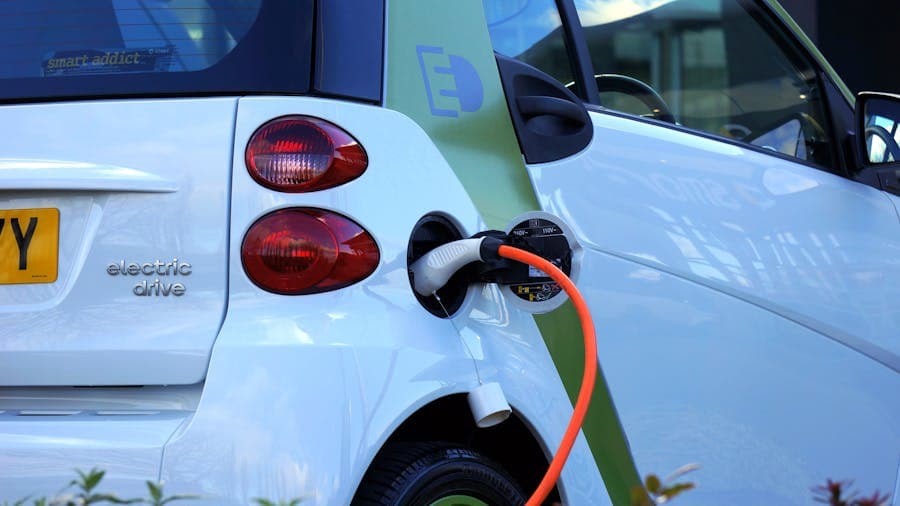
The most common question from Filipinos considering an EV is simple: what will it actually cost to charge? The short answer is that home charging is dramatically cheaper than petrol, public fast charging is roughly on par with petrol, and where you charge matters far more than which car you drive. Here is the 2026 math, with real rates and worked examples.
The two prices that matter
There are only two numbers you need to understand EV charging costs in the Philippines:
- Home electricity: about ₱13 per kWh — a typical Meralco residential rate in 2026 (all-in rates generally sit in the roughly ₱11 to ₱13 band and drift month to month).
- Public DC fast charging: about ₱35 per kWh — the going rate at networks like Shell Recharge and ACMobility in 2026. Public AC charging is usually cheaper, in the ₱18–₱33 range depending on the operator.
Everything else is just multiplication. *(Rates change monthly; treat the figures below as up-to-date estimates, not fixed prices.)*
What a full charge costs
Take a typical EV with a 60 kWh battery. Charging from a near-empty 20% up to 100% adds about 48 kWh. Here is what that top-up costs:
- At home (₱13/kWh): 48 kWh × ₱13 ≈ ₱624
- At a public DC fast charger (₱35/kWh): 48 kWh × ₱35 ≈ ₱1,680
A full 0–100% fill (60 kWh) works out to roughly ₱780 at home versus ₱2,100 in public. Same car, same energy — the price more than doubles depending on where you plug in. That single fact is why home charging is the foundation of affordable EV ownership, and why easy access to reasonably priced chargers is such a big deal for drivers who can't charge at home.
Cost per kilometre — the number that beats petrol
Most EVs in the Philippines use around 16–18 kWh per 100 km. Converting the rates above into cost per kilometre:
- Home charging: ~₱2.10–₱2.35 per km
- Public DC fast charging: ~₱5.60–₱6.30 per km
Now compare a petrol car that does about 10 km per litre with fuel near ₱65/litre — that's roughly ₱6.50 per km.
The takeaway: charging at home costs about a third of what petrol costs per kilometre. Public fast charging lands close to petrol prices — still convenient for road trips, but not where the savings come from. The drivers who save the most are the ones who do most of their charging at home or at affordable AC chargers, and only use DC fast charging when they genuinely need speed on a long drive. You can estimate your own yearly savings with our EV vs petrol savings calculator.
How to keep your charging costs low
The strategy follows directly from the numbers:
- Charge at home whenever you can. Overnight AC charging at roughly ₱13/kWh is the cheapest energy you'll find, and you wake up to a full battery.
- Use DC fast charging for what it's for. It's for topping up quickly on the road, not for routine daily charging — that's where costs climb toward petrol.
- Look for affordable AC chargers near you. Many home and business chargers on the EVChargePH map are AC units priced well below public DC rates. Reserving one near your route can cost far less than a DC top-up.
- Mind Meralco's peak periods. Because residential rates shift month to month, charging habits that lean on off-peak overnight power keep your bill predictable.
The bigger picture for the Philippines
Charging economics also explain why the country's charging network matters so much. A driver with a home charger enjoys ₱2.30-per-km motoring; a driver without one is stuck paying closer to petrol prices at public DC stations. Widening access to affordable, reservable charging — including the thousands of idle home and business chargers that could be listed and shared — is what turns the EV cost advantage from a privilege for homeowners into something every driver can enjoy.
The bottom line
Charging an EV in the Philippines in 2026 costs roughly ₱600–₱800 for a full battery at home, or ₱2,000+ at a public fast charger — and about ₱2.30 per km at home versus ₱6.50 per km for petrol. Do most of your charging at home or at affordable AC chargers, save fast charging for road trips, and an EV is meaningfully cheaper to run than a petrol car.
*Estimates based on Meralco residential rates (~₱11 to ₱13/kWh, 2026) and typical public DC fast-charging rates (~₱35/kWh, 2026). Actual costs vary by vehicle efficiency, battery size, tariff period and charging network. Find a charger near you on the EVChargePH map.*
Be our partner
Power the Philippines' electric future with us
Earn from an idle charger, or put your brand in front of EV drivers while they charge. Join the EVChargePH network today.