Buying Guide
BYD Atto 3 vs Hyundai Ioniq 5: Which EV Crossover Wins in the Philippines?
By EVChargePH Team · June 6, 2026 · 11 min read
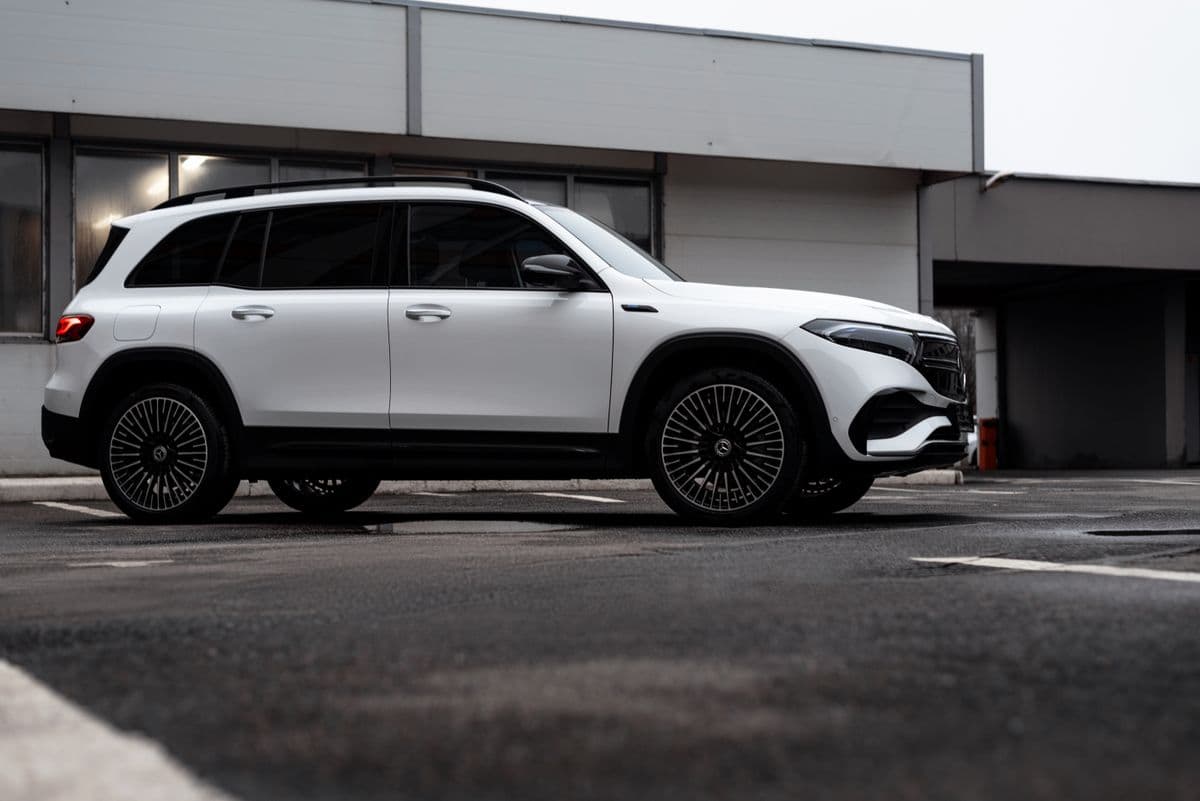
The BYD Atto 3 and Hyundai Ioniq 5 are two of the most popular electric crossovers in the Philippines in 2026, but they sit at different points. The Atto 3 is the value-focused, right-sized everyday family crossover that typically costs less and offers strong equipment for the money. The Ioniq 5 is the larger, more premium, design-forward statement EV with distinctive styling, a spacious cabin, and a higher price to match. Both charge on Type 2 and CCS2 and suit Philippine roads well. Choose the Atto 3 for value and everyday practicality, or the Ioniq 5 for space, presence, and a premium feel. Here is the comparison.
BYD Atto 3 vs Hyundai Ioniq 5: which crossover is better?
They are aimed at different buyers, so the better car depends on your priorities and budget. The BYD [Atto 3](/ev/byd-atto-3) is a compact-to-mid family crossover pitched at value, with a generous standard equipment list and a price that typically undercuts the Ioniq 5. It is the sensible, well-rounded everyday EV for a household that wants electric practicality without stretching the budget.
The Hyundai [Ioniq 5](/ev/hyundai-ioniq-5) is a larger, more premium crossover with bold, retro-futuristic styling, a notably spacious and flexible cabin, and a higher price. It feels like a statement car, with presence and a sense of occasion that the more conventional Atto 3 does not chase. Buyers drawn to its looks, space, and premium ambiance are usually happy to pay more for them.
The clean way to frame it: the Atto 3 competes on value and everyday usability, while the Ioniq 5 competes on size, design, and premium feel. Neither is wrong; they simply serve different needs and wallets. For the broader BYD-versus-rivals picture, our BYD vs Tesla comparison is a useful companion, and you can see both crossovers alongside others in the EV catalog.
How do they compare on price and value?
On price, the Atto 3 typically costs noticeably less than the Ioniq 5, which is the heart of its appeal. The Atto 3 packs strong equipment into a lower price, making it the value choice, while the Ioniq 5 commands a premium for its size, design, and upscale feel. Treat all specific peso figures as approximate for 2026, since prices move with incentives, exchange rates, and model-year changes.
Both are cheap to run, as you would expect from pure electric crossovers. Charged at home at roughly 11 to 13 pesos per kWh, either typically costs around 1.5 to 3 pesos per kilometer, far below petrol, and both enjoy EV maintenance simplicity with no oil changes and longer-lasting brakes thanks to regeneration. The Ioniq 5's higher upfront price is therefore about what it offers in size and premium feel, not about running costs, which are similar. Our EV savings calculator lets you compare either against a petrol crossover for your mileage, and our guide to EV charging costs explains the per-kilometer math.
The value verdict: the Atto 3 wins on upfront affordability, while both win on running costs. If budget is the priority, the Atto 3 stretches further; if you want the Ioniq 5's space and presence and can afford it, its premium buys genuine substance rather than just badge appeal.
Which has better range and charging?
Both crossovers offer competitive real-world range that easily covers everyday Philippine driving, with the Ioniq 5's larger variants generally aimed at longer range and the Atto 3 offering sensible, family-friendly range. For daily Metro Manila use, both have ample range, since city driving consumes a battery slowly and you charge at home overnight. Range matters mainly for frequent long provincial trips, where planning around fast chargers smooths the journey.
On charging, both use Type 2 for AC and CCS2 for DC fast charging, the dominant Philippine standard, so both can use the same public fast chargers, destination chargers, and peer-to-peer hosts. The Ioniq 5 is often noted for its capable fast-charging performance, which can make long-trip charging stops brisk, while the Atto 3 charges at sensible everyday speeds. Our guide to charging connectors explains the plugs, and the key reassurance is that neither crossover is locked out of any meaningful part of the local network.
A few practical points apply to both:
- For daily city driving, range is a non-issue for either car, since you start each day charged at home.
- Fast charging typically targets 80 percent, after which it slows to protect the battery, so trip stops are planned around that point.
- Real-world range varies with speed, air-conditioning, traffic, and load, so treat quoted figures as approximate.
If long trips are central to your driving, the Ioniq 5's fast-charging capability is a point in its favor, but for most buyers both are more than adequate. You can find a charger along your routes to confirm access for either, and our BYD charging guide and Hyundai charging guide cover brand-specific details.
How do space and practicality compare?
This is where the Ioniq 5 pulls ahead, and it is a major reason buyers pay its premium. The Ioniq 5 is the larger vehicle, with a notably spacious, flexible cabin, a flat floor, and clever interior packaging that makes it feel airy and accommodating for passengers and cargo alike. For families who carry people and gear regularly, that extra room is a genuine, daily benefit.
The Atto 3 is more compact but still a practical family crossover, with a comfortable, well-equipped cabin sized sensibly for everyday use and easier to thread through tight Metro Manila streets and parking. It does not match the Ioniq 5's sheer space, but it offers plenty for typical family duties while being more manageable in the city and easier on the budget.
The practical trade-off comes down to how much space you actually need against how much you want to spend and how you drive:
- Choose the Ioniq 5 if cabin space, passenger comfort, and a premium, roomy feel are priorities and the budget allows.
- Choose the Atto 3 if you want a practical, well-equipped family crossover that is easier to maneuver and park, at a lower price.
- Consider your typical loads and parking, since a larger car is roomier but less nimble in dense city conditions.
Both are comfortable, capable EVs; the question is whether you need the Ioniq 5's extra room enough to justify its higher price. Review the full specifications for the Atto 3 and the Ioniq 5 to compare dimensions and equipment before visiting a showroom.
Which EV crossover should you buy?
Putting it together, buy the BYD Atto 3 if you want a value-focused, practical everyday crossover at a lower price, and buy the Hyundai Ioniq 5 if you want a larger, more premium, design-led crossover with standout space and presence and the budget to match. Both charge identically on Type 2 and CCS2, both are cheap to run, and both suit Philippine roads, so neither is a wrong choice.
A few profiles clarify it:
- Value-focused families who want practical electric motoring without overspending lean Atto 3.
- Buyers who prize space and a premium feel and can afford more lean Ioniq 5.
- City-focused drivers who value easy maneuvering and parking may prefer the more compact Atto 3.
- Design enthusiasts drawn to the Ioniq 5's distinctive looks accept its premium happily.
Whichever you pick, the EV basics work in your favor: low running costs, simple maintenance, and a smooth, quiet drive. Before deciding, it is worth comparing against electric sedans too, such as in our Tesla Model 3 vs BYD Seal comparison, if a lower body style would suit. Run your numbers with the EV savings calculator, browse the full EV catalog, and use the map to find a charger near your routes to confirm charging access.
Frequently asked questions
Is the BYD Atto 3 cheaper than the Hyundai Ioniq 5 in the Philippines?
Typically yes, and often by a meaningful margin. The Atto 3 is the value-focused crossover, packing strong equipment into a lower price, while the Ioniq 5 commands a premium for its larger size, distinctive design, and upscale feel. Treat specific peso figures as approximate for 2026, since prices move with incentives and exchange rates. Both are cheap to run at roughly 1.5 to 3 pesos per kilometer when charged at home.
Do the BYD Atto 3 and Hyundai Ioniq 5 use the same charger?
Yes. Both use Type 2 for AC charging and CCS2 for DC fast charging in the Philippines, the dominant local standard, so both can use the same public fast chargers, destination chargers, and peer-to-peer hosts. The Ioniq 5 is often noted for capable fast charging, but charging compatibility itself does not separate them. You can find a charger that works for either crossover.
Which is more spacious, the Atto 3 or the Ioniq 5?
The Ioniq 5 is the larger, more spacious vehicle, with a notably roomy, flexible cabin and clever packaging that makes it feel airy. The Atto 3 is more compact but still a practical family crossover that is easier to maneuver and park in the city. If maximum space matters most, the Ioniq 5 wins; if city manageability and value matter more, the Atto 3 makes a strong case.
Which EV crossover is better for a Philippine family?
Both work well for families. The Atto 3 suits households wanting practical, well-equipped electric motoring at a lower price and easier city driving, while the Ioniq 5 suits families wanting more cabin space and a premium feel who can afford the higher price. Consider your typical loads, parking, and budget, then confirm convenient charging near you before deciding.
Be our partner
Power the Philippines' electric future with us
Earn from an idle charger, or put your brand in front of EV drivers while they charge. Join the EVChargePH network today.