Buying Guide
The Best EVs for Filipino Families
By EVChargePH Team · April 19, 2026 · 9 min read
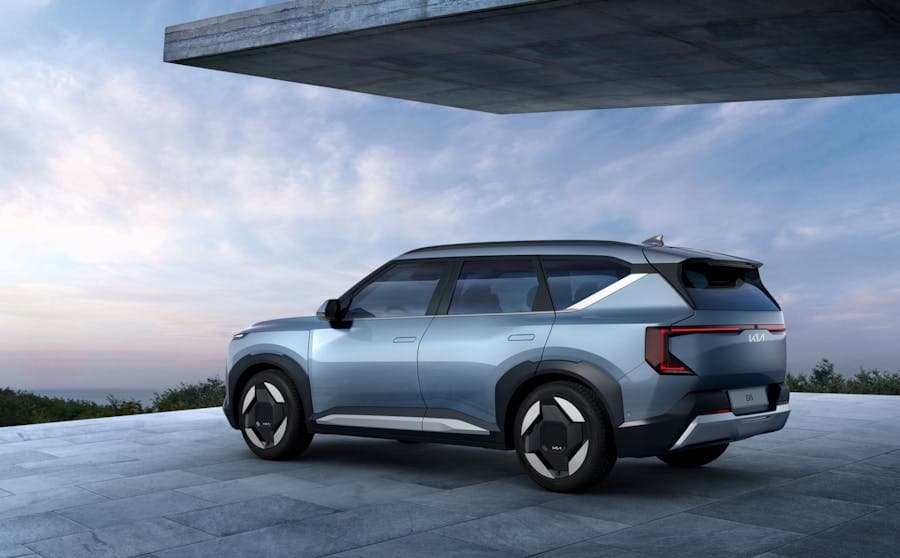
For a Filipino family, the car is mission-critical infrastructure rather than a lifestyle accessory. It hauls kids to school, groceries home, and the whole household to the province on long weekends and during fiesta season. An EV can do all of that beautifully — quietly, smoothly, and cheaply to run — but only if you choose with family needs front and centre rather than chasing the flashiest screen on the showroom floor. This guide breaks down what actually matters when you are buying an electric car to carry the people you love most, in roughly the order those things should matter to a parent making the call.
Space and seating come first
Start with the people and the stuff, because no amount of clever technology compensates for a cabin that is simply too tight for daily family life. A growing family needs room for child seats, school bags, sports gear, and grocery hauls, plus the occasional balikbayan box or sack of rice on the way home from the province. When you visit the dealer, judge these in person rather than trusting a brochure diagram or a glowing review.
- Rear-seat width and legroom, especially if you need to fit two car seats side by side without a daily wrestling match every single morning.
- Boot capacity with the seats up, and how much it expands when they fold flat for the bigger loads.
- Door openings and ride height, which make loading children, car seats, and heavy cargo far easier on your back over the long years of ownership.
Many EVs hide their batteries flat in the floor, which can free up a roomy, uncluttered interior — a genuine packaging advantage worth checking with your own eyes and your own family aboard rather than taking on faith. If your household is larger or you regularly travel three generations deep, our roundup of 7-seater and SUV EVs covers the bigger options that suit extended families and frequent provincial trips.
Safety is non-negotiable
When you are carrying the most precious cargo there is, safety kit earns every peso it costs and then some. This is the one area where you should never trade down simply to save money. Prioritise the following on any family shortlist, and treat them as requirements rather than nice-to-haves.
- Multiple airbags and a strong independent crash-test reputation wherever one is available for the model you are considering.
- Electronic stability control and confident, fade-free braking, which matter enormously on wet provincial roads in the rainy season.
- ISOFIX or anchor points for secure, correct child-seat fitting rather than improvised seatbelt mounting that may not hold properly.
- Driver aids such as automatic emergency braking and a clear reversing camera for crowded, chaotic car parks.
Several family-friendly EVs score well here on both space and safety together. The Hyundai Ioniq 5 and the broader BYD line-up are frequently shortlisted by families precisely because they pair real interior space with a solid, well-rounded safety story rather than forcing an uncomfortable choice between the two.
Running costs that suit a household budget
Families watch every peso, and this is where EVs genuinely help month after month after month. Energy per kilometre is typically much lower than petrol, and routine maintenance is usually simpler with no oil changes and fewer wear items to replace on a schedule. Over years of school runs, grocery trips, and weekend getaways, those savings quietly compound into real, meaningful money. Our breakdown of EV charging cost versus gas shows the stark day-to-day difference between filling at the pump and topping up at the plug. Just remember to budget for tyres and the occasional service, since heavier cars can be harder on rubber and should not be assumed to be entirely maintenance-free.
There is also a quieter, less obvious saving that matters to households on a fixed monthly budget: predictability. A family that charges mostly at home pays a fairly steady, knowable amount each month rather than riding the ups and downs of fuel prices at the pump. For parents trying to plan a household budget around tuition, groceries, and everything else, that stability is genuinely valuable, even before you tally the headline savings. It turns one previously unpredictable line item into something close to a fixed cost you can plan around with confidence, which is a real comfort when money is tight.
The charging question for families
Here is the honest caveat that deserves far more attention than it usually gets in a showroom. Family schedules are relentless, so charging needs to be effortless rather than yet another errand squeezed into an already packed week. If you have a carport or garage with power, an EV slots in perfectly — it charges overnight while everyone sleeps, and you start every single day with a full battery and zero effort required. Our guide to a home charging setup explains exactly what that practically involves for a typical Filipino home.
If you do not have home charging, weigh very carefully whether nearby public charging realistically fits a busy family routine, keeping firmly in mind that coverage outside the major cities remains uneven as of 2026. Scout the options around your home, the kids' school, and your workplace on the charger map before you decide on anything. A car that is a hassle to keep charged quickly becomes a parent's recurring headache, and that ongoing stress easily outweighs any saving you might make at the pump.
It is worth being especially honest here if you live in a condominium or a rented home, where adding a dedicated charging point is not always simple or within your control. Some buildings are fitting EV-ready slots and metered outlets, while others are years away from it, so check with your building management before assuming. For many condo-dwelling families, a hybrid that never needs plugging in remains the lower-stress choice today, and there is no shame in choosing the option that fits your living situation rather than forcing a setup that fights your home. The best family car is the one that disappears quietly into your routine, not the one that demands constant management.
Match range to your longest regular trip
Think about range in terms of how your family actually travels through the year, not a single worst-case scenario you rarely face in practice. A battery that easily covers the daily school-and-work loop is perfectly fine for city families who charge at home each night without fail. But if you frequently drive to distant provinces, you will want to either plan charging stops in advance or choose a model with a larger battery for genuine headroom. Bear in mind that the brochure range is a lab figure; a loaded family car with the air-conditioning running hard in Philippine heat will see less, sometimes noticeably so on the open highway.
A few practical habits keep range stress-free for households who plan a little.
- Map your longest regular trip and make sure realistic range covers it with comfortable margin rather than cutting it nervously fine.
- Lean on home charging so every day starts full, which matters far more for busy families than chasing the absolute maximum range figure on the spec sheet.
- Build in a buffer rather than planning to arrive on empty, which is hard on both your nerves and the battery's long-term health.
Bring the whole family to the test drive
Specs and reviews only tell you so much about how a car will actually serve your particular household day to day. The real test is loading everyone in and seeing honestly how it feels in practice on a route you know.
- Bring the car seats and fit them properly to check the rear bench, not just to perch in it for a moment.
- Put the whole family aboard, including any regular passengers like grandparents, and drive a route you genuinely take each week.
- Run the school run in your head — who sits where, what goes in the boot, and crucially where the car charges that night before tomorrow.
The bottom line for families
The best family EV is the one that nails space, safety, and a charging setup that genuinely matches your home — not just the one with the biggest, shiniest infotainment screen on display in the showroom. Take your time over the decision, since a family car is a long commitment that has to work for everyone every single day, through school terms, grocery runs, and the occasional long haul to the province. The flashiest model is rarely the one that quietly serves a household best over the years; that honour usually goes to the sensible, well-judged choice that fits your space, your safety needs, and your charging reality without drama. Pricing and specs vary by trim and shift often, so confirm the details with current dealer listings before you finally commit. And if your home gives you a spare charging slot once you have made the switch, you can list your charger so neighbours can top up, turning a corner of your driveway into a modest, welcome income stream that quietly helps the family budget along.
Be our partner
Power the Philippines' electric future with us
Earn from an idle charger, or put your brand in front of EV drivers while they charge. Join the EVChargePH network today.