Charging 101
Single-Phase vs Three-Phase Home EV Charging (Philippines)
By EVChargePH Team · October 27, 2026 · 6 min read
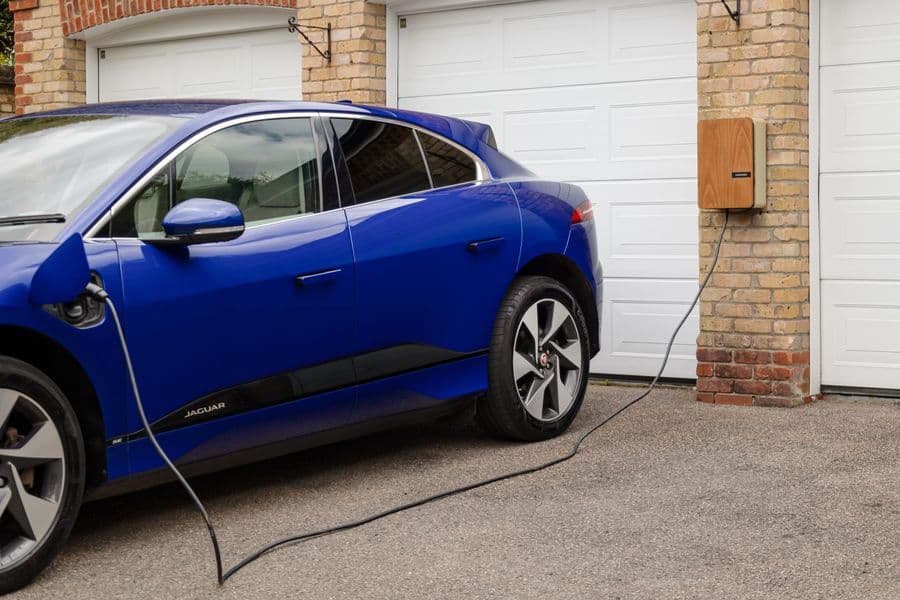
When setting up home charging, you may hear the terms single-phase and three-phase power. In short, most Philippine homes have single-phase supply, and that is perfectly fine for a typical home EV charger. Three-phase power can allow faster AC charging, but it is not something most owners need. Here is what the difference means in plain language, so you can set up home charging without confusion.
What is the difference?
Phases describe how electrical power is delivered to your property. You do not need the engineering; the practical picture is simple.
- Single-phase is the common supply for most homes. It comfortably runs a typical home EV charger that tops up your car overnight.
- Three-phase delivers power across three lines, which can support higher-power AC charging. It is more common in larger properties, businesses and some newer builds.
For a normal home charging a car overnight, single-phase is almost always enough.
Does single-phase charge an EV fast enough?
For overnight home charging, yes, easily. A typical single-phase home charger adds plenty of range during the hours your car sits parked, so you wake up with the battery where you want it. Because you are charging while you sleep, the speed barely matters; what matters is that the car is ready in the morning. This is the backbone of cheap, convenient ownership, as our guide to EV home charging explains, at roughly ₱11 to ₱13 per kWh.
The time to care about raw speed is on the road, where DC fast chargers come in, not at home overnight.
When would three-phase help?
Three-phase can allow a higher-power AC home charger, which fills the car faster. That can be worth it in specific cases.
- Very high daily mileage where you need to replenish a lot of range in a short window at home.
- A property that already has three-phase power, so the faster option is available without major changes.
- A business or shared setting charging multiple vehicles.
For most households, though, the modest extra speed does not justify arranging three-phase power, and single-phase does the job well.
How do I know what I have, and what I need?
Do not guess with electrical supply. A licensed electrician should assess your home's supply and capacity and recommend the right charger and any work needed. This is an essential step covered in our guide to what your home needs for an EV charger. They will confirm whether you have single- or three-phase, whether your supply can handle the charger you want, and what a safe installation looks like.
Frequently asked questions
Is single-phase enough to charge an EV at home?
Yes, for overnight charging it is more than enough for most owners. A typical single-phase home charger adds plenty of range while the car sits parked, so you start each day ready to go.
Do I need three-phase power for a home charger?
Usually not. Three-phase allows faster AC charging and suits very high-mileage drivers, businesses, or homes that already have it. Most households are well served by single-phase.
How do I find out if my home is single- or three-phase?
Ask a licensed electrician to check. They will confirm your supply, assess whether it can handle the charger you want, and advise on a safe installation, which is the right first step before buying a charger.
Does three-phase make a big difference day to day?
For most people, no. The extra speed matters mainly for topping up a lot of range quickly, which rarely applies to overnight home charging. The convenience of waking up to a charged car is the same either way.
Be our partner
Power the Philippines' electric future with us
Earn from an idle charger, or put your brand in front of EV drivers while they charge. Join the EVChargePH network today.