Cost & Ownership
What Your Home Needs for an EV Charger (Electrical Guide, Philippines)
By EVChargePH Team · October 27, 2026 · 6 min read
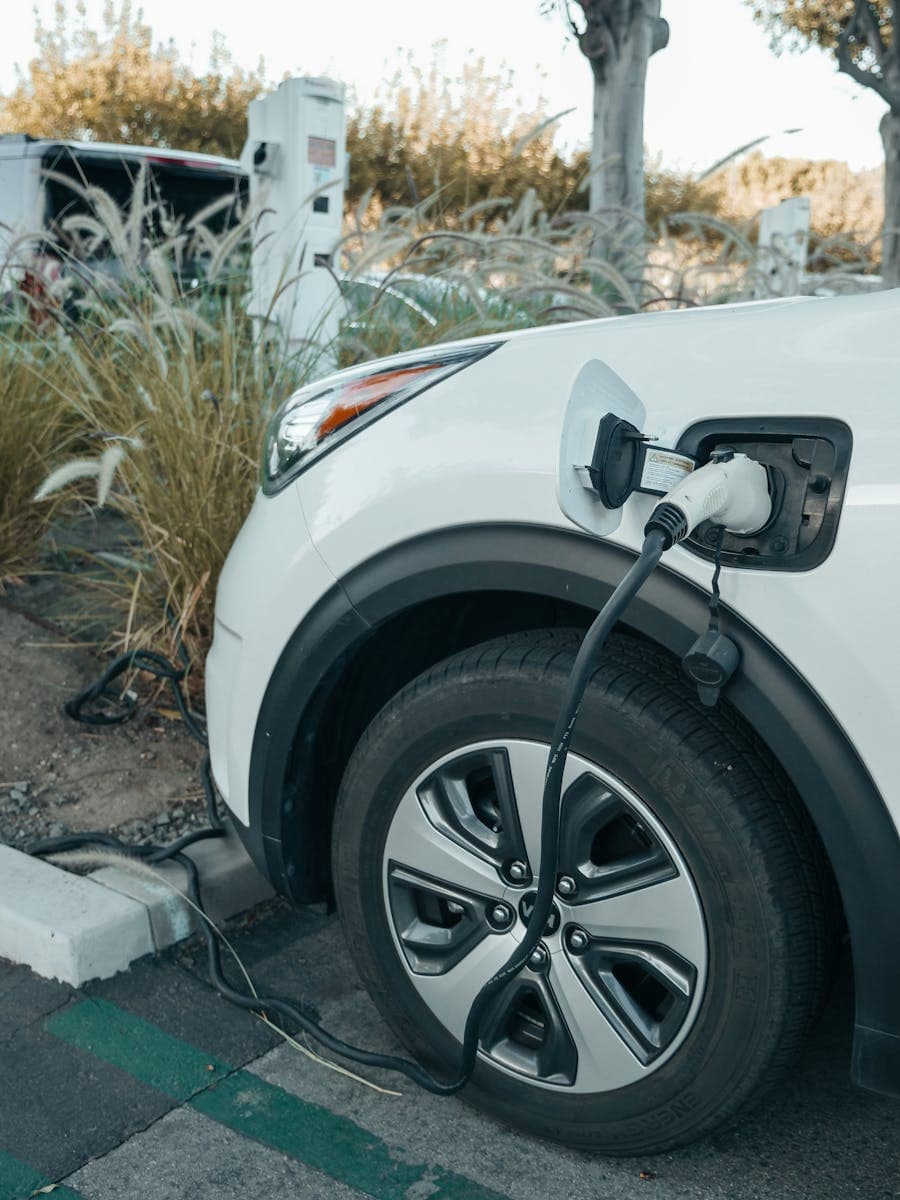
Installing a home EV charger is usually straightforward, but your home needs a few electrical essentials in place first: adequate supply capacity, a dedicated circuit, proper safety protection, and, above all, a licensed electrician to assess and install it. You do not need to understand the wiring yourself, but knowing what matters helps you ask the right questions and avoid unsafe shortcuts.
Start with a licensed electrician
This is the single most important point, so it comes first. A home charger should be assessed and installed by a licensed electrician. They will check your supply, size everything correctly, and install it safely to standard. Charging a car draws meaningful power for hours at a time, so a proper installation is not the place to cut corners. Everything below is what a good electrician will handle for you.
Does your home have enough capacity?
Your home has a limited electrical capacity, and a charger adds a sustained load on top of everything else you run. The electrician will check whether your existing supply can comfortably handle the charger you want without overloading, and whether any upgrade is needed. This is also where the question of single-phase versus three-phase power comes in, which our guide to single-phase vs three-phase charging explains; most homes are fine on single-phase.
Why a dedicated circuit?
A home charger should have its own dedicated circuit running from the panel, rather than sharing with other appliances.
- It handles the sustained load safely, since charging draws steady power for hours.
- It avoids overloading shared circuits that were never meant for this.
- It allows proper protection sized specifically for the charger.
Plugging a car into an ordinary outlet or an extension cord as a permanent solution is not advisable, which our guide to charging from a regular outlet touches on. A dedicated circuit is the safe foundation.
What about safety protection?
Proper protection is essential, and again this is the electrician's job to size and fit correctly. This includes the right breaker for the circuit and appropriate protective devices so the installation is safe over years of use. A good installer follows the applicable electrical standards, which exist precisely to keep high-power installations like this safe.
What does this mean for cost and planning?
The electrical work is part of the overall cost of going electric at home, alongside the charger unit itself. The exact figure depends on your home, the distance from the panel, and any capacity upgrade needed, so get a proper quote rather than relying on a single number. The good news is that it is a one-time cost, repaid over time by cheap overnight charging at roughly ₱11 to ₱13 per kWh. Our guide to EV home charging covers the full setup and running-cost picture.
Frequently asked questions
Can I just plug my EV into a normal outlet?
As an occasional backup, a basic trickle charge from a suitable outlet may be possible, but it is slow and not ideal as a permanent setup. A proper home charger on a dedicated circuit, installed by a licensed electrician, is the safe and convenient solution.
Do I need to upgrade my home's electrical supply?
Sometimes, but often not. A licensed electrician will check whether your existing capacity can handle the charger you want. Many homes are fine as-is; others may need an upgrade, which the electrician will advise on.
Why does the charger need its own circuit?
Because charging draws steady power for hours, a dedicated circuit handles that load safely, avoids overloading circuits shared with other appliances, and allows protection sized specifically for the charger.
How much does the electrical work cost?
It varies with your home, the distance from the panel, and any upgrade needed, so get a quote from a licensed electrician. It is a one-time cost, repaid over time by the low price of charging at home.
Be our partner
Power the Philippines' electric future with us
Earn from an idle charger, or put your brand in front of EV drivers while they charge. Join the EVChargePH network today.