Charging 101
Common EV Charging Mistakes to Avoid (Philippines)
By EVChargePH Team · October 27, 2026 · 6 min read
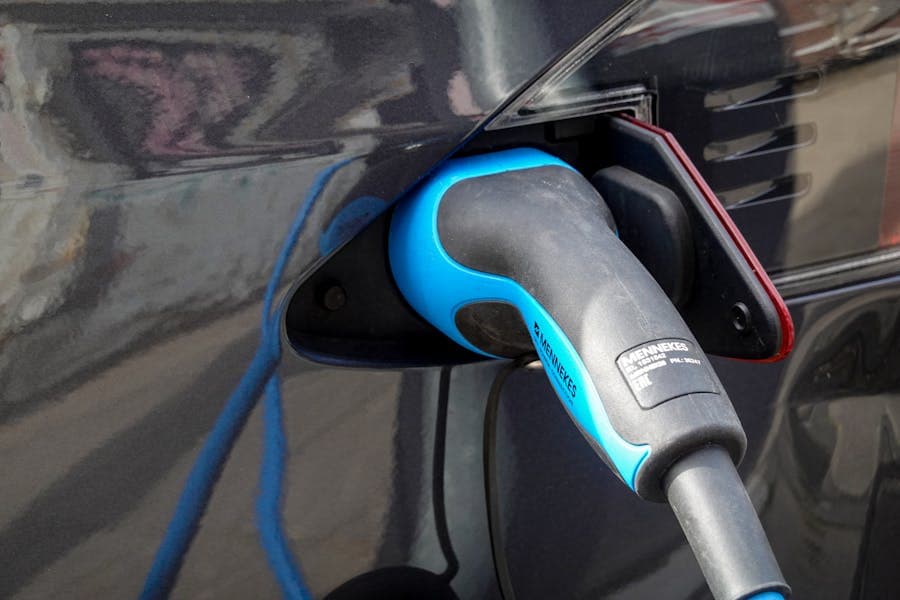
New EV owners in the Philippines tend to make the same few charging mistakes, and all of them are easy to fix once you know them. Charging to 100% every day, depending only on DC fast chargers, running the battery too low before trips, and blocking bays after charging are the usual culprits. Get these right and EV ownership becomes smooth and cheap.
Mistake 1: Charging to 100% every day
Topping up to a full 100% every single day is not ideal for most daily driving. Charging slows as the battery fills, so the last stretch takes the longest, and sitting at a very high charge regularly is harder on the battery over time.
The fix: For everyday use, many owners set a charge limit around 80% and simply top up as needed. Save a full 100% charge for the morning of a long trip when you need maximum range. Our guide to EV home charging explains how to set this.
Mistake 2: Relying only on DC fast charging
Fast chargers are convenient on trips, but using them as your everyday default is both expensive and unnecessary. Public DC fast charging often runs around ₱35 per kWh, while home charging is far cheaper at roughly ₱11 to ₱13 per kWh.
The fix: Make slower AC charging at home your default, and keep fast charging for road trips when you genuinely need speed. Our EV charging cost guide shows how much this saves.
Mistake 3: Running too low before a trip
Setting off on a long drive with a nearly empty battery, counting on finding a charger along the way, is asking for stress.
The fix: Charge up before you leave, plan your stops in advance using the map, and keep a buffer so you can reach an alternative if your first charger is busy or offline.
Mistake 4: Blocking a charging bay after you are done
Leaving your car parked in a charging bay long after it has finished is one of the biggest community frustrations, because it denies the spot to other drivers who need it.
The fix: Move your car promptly once charging is complete. Good etiquette keeps the growing network pleasant for everyone.
Mistake 5: Ignoring your connector type
Arriving at a charger only to find it does not fit your car wastes a trip.
The fix: Know your car's connector, and filter the map by connector type so you only see chargers you can actually use. If the terms are unfamiliar, the EV glossary explains them.
Mistake 6: Not using home charging when you could
Some owners pay for public charging out of habit even though they could charge at home far more cheaply and conveniently.
The fix: If you can install a home charger, it quickly becomes the backbone of cheap, easy ownership, and you wake up to a full battery. If you have one already and it sits idle, you could even earn by sharing it on the list your charger page.
Frequently asked questions
Is it bad to charge to 100%?
For daily driving it is better to stop around 80%, because charging slows near full and regular high charge is harder on the battery. Charging to 100% for a long trip is fine; just avoid making it your everyday habit.
Why not just use fast chargers all the time?
Fast charging costs much more per kWh than home charging and is unnecessary for daily use. Use AC charging at home as your default and save DC fast charging for trips.
How much range buffer should I keep?
Enough to comfortably reach a backup charger if your first choice is unavailable. Never plan to arrive at a single charger on empty.
Does charging habit really affect battery life?
Good habits keep degradation gentle: avoid long spells at very high or very low charge, lean on slower AC charging, and reserve fast charging for trips.
Be our partner
Power the Philippines' electric future with us
Earn from an idle charger, or put your brand in front of EV drivers while they charge. Join the EVChargePH network today.