Charging 101
EV Motors Explained: What Powers an Electric Car
By EVChargePH Team · October 27, 2026 · 6 min read
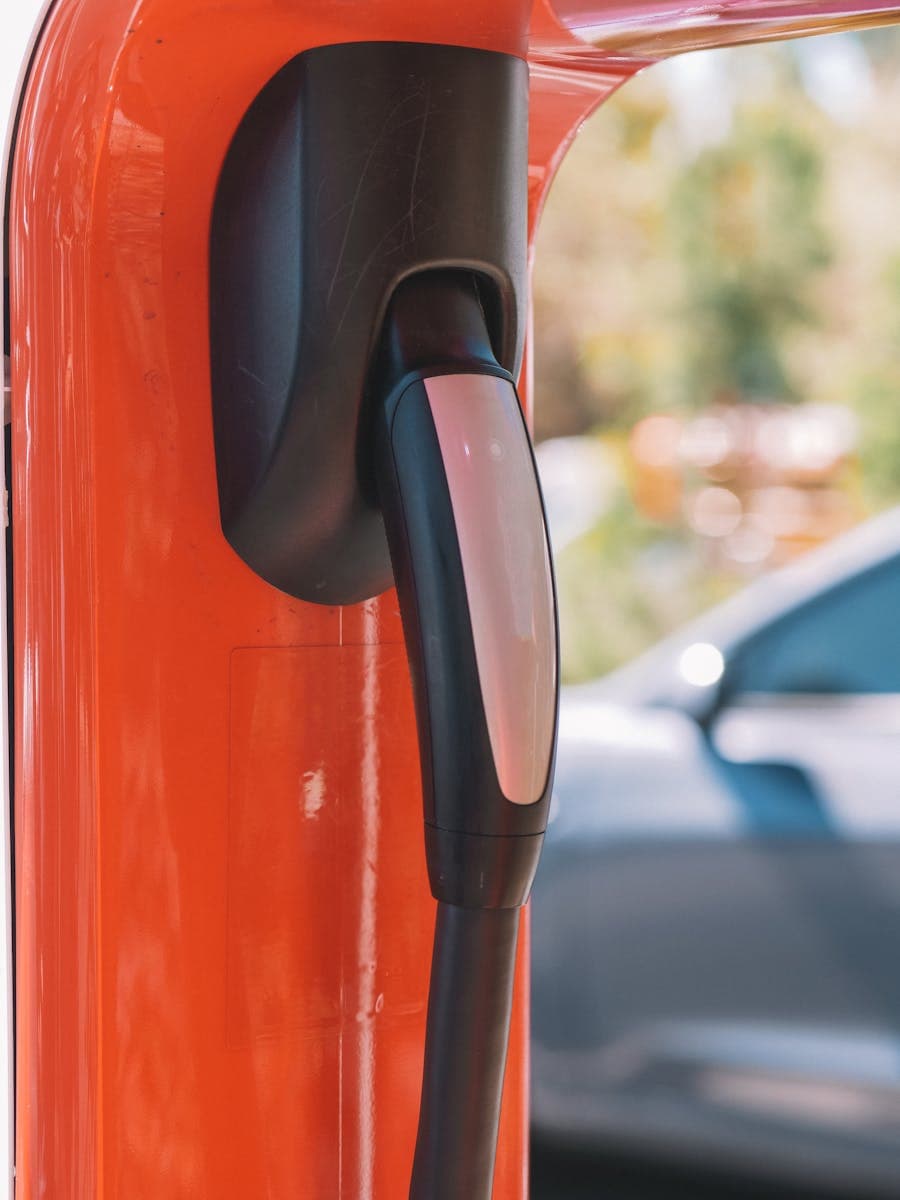
The electric motor is the heart of an EV, turning stored electricity into the motion that drives the wheels. You do not need to be an engineer to own one, but understanding the basics helps you make sense of spec sheets and why EVs drive the way they do. There are a couple of common motor types and a choice between single- and dual-motor layouts, and each has simple, practical implications.
What does an EV motor actually do?
An electric motor uses electricity and magnetism to spin a shaft, which turns the wheels through a single-speed reduction gear. Unlike a petrol engine, it delivers its pulling power almost instantly and across a wide range, which is why EVs feel responsive from a standstill. That instant pull is explained in why EVs feel fast.
What are the common motor types?
Most EVs use one of two broad types, and manufacturers sometimes combine them.
- Permanent magnet motors. These use magnets in the rotating part and are prized for being efficient and compact, which helps range. They are very common in EVs sold today.
- Induction motors. These create their magnetism electrically rather than with permanent magnets. They can be robust and cost-effective, and are sometimes used alongside a permanent magnet motor in dual-motor cars.
For a buyer, the practical takeaway is modest: both types work well, and you rarely need to choose based on motor type alone. Efficiency, range and how the car drives matter more than the label.
Single motor or dual motor?
This choice has a clearer everyday meaning.
- Single motor. One motor drives either the front or rear wheels. This is the efficient, affordable, and perfectly capable choice for most drivers, and it usually means more range for the money.
- Dual motor. One motor on each axle gives all-wheel drive, more performance and extra traction. It costs more and can use a little more energy, but adds grip and pace.
For typical Philippine driving, a single-motor EV is plenty for most people. Dual motors appeal to those who want performance or all-weather traction and are willing to pay for it. You can compare how different models are set up on the EV models hub.
Why does the motor make EVs feel different?
Because an electric motor delivers its pulling power instantly and smoothly, an EV moves off without hesitation and responds the moment you press the accelerator, with no gear changes interrupting the flow. Combined with the quiet running and the smoothness of a single-speed setup, this is a big part of why EVs feel effortless, especially in stop-and-go traffic. If the terms here are new, the EV glossary explains them simply.
Frequently asked questions
Which EV motor type is best?
For most buyers it does not matter much. Both permanent magnet and induction motors are proven and efficient. Focus on the car's overall efficiency, range and how it drives rather than the motor type on its own.
Is a dual-motor EV better than a single-motor one?
Not necessarily better, just different. Dual motors add all-wheel drive, more performance and traction, but cost more and can use slightly more energy. A single motor is efficient, affordable and ample for most everyday driving.
Do EV motors wear out?
Electric motors have very few moving parts and are generally long-lasting and low-maintenance compared with a petrol engine, which is part of why EVs need less routine servicing.
Why does an EV not need gears?
The electric motor delivers usable power across a wide range of speeds, so a single-speed reduction gear is enough. There is no need to shift through multiple gears, which makes the driving smooth and simple.
Be our partner
Power the Philippines' electric future with us
Earn from an idle charger, or put your brand in front of EV drivers while they charge. Join the EVChargePH network today.